
Eriospermum dregei
Eriospermum dregei
Description
Growing requirements
Eriospermum dregei is a fascinating bulbous succulent belonging to the Asparagaceae family. Native to the arid regions of Southern Africa, it is highly prized by collectors for its unique evolutionary adaptations to desert environments.
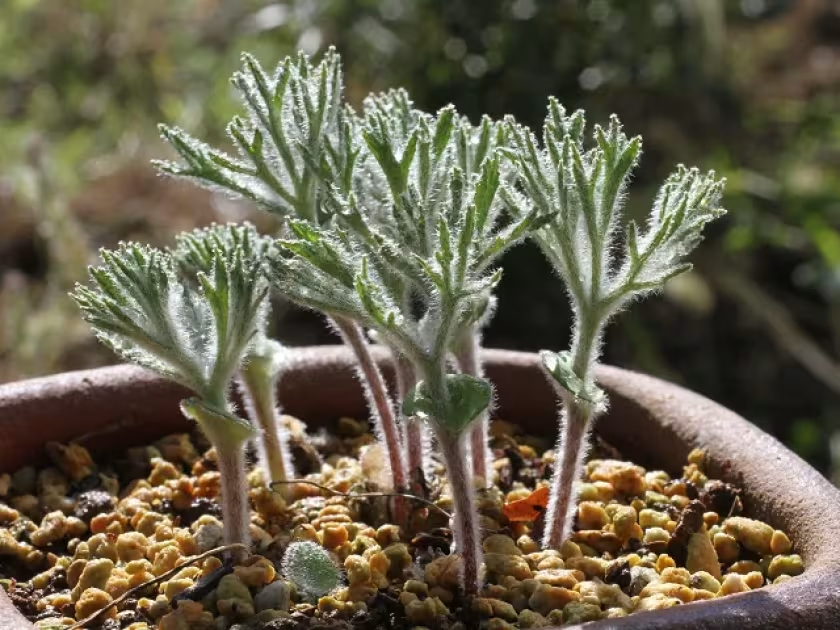
The plant is distinguished by a large underground tuber from which a single, highly specialized leaf emerges. This leaf is covered in complex, branching appendages that serve to capture moisture from fog and dew, a crucial trait for survival in dry climates.
Cultivation requires a medium that mimics its natural habitat. A highly porous substrate is essential, typically consisting of pumice, coarse sand, and a small amount of organic material, ensuring that water drains almost instantly to prevent root rot.
Proper light is critical for maintaining the plant's structural integrity. Eriospermum dregei thrives in bright, indirect light. Intense, direct sun can be detrimental to the delicate leaf surface, while insufficient light leads to etiolation and loss of its distinct morphology.
Temperature management follows the cycle of the seasons. During the active growth period, it requires mild temperatures, whereas the dormant phase should be spent in a cooler environment, which is vital for triggering the next growth cycle.
Main diseases and pests
The most common threat to Eriospermum dregei is root rot, primarily triggered by excessive moisture during the dormant season. When the tuber is dormant, it is extremely sensitive to damp soil, which can cause total decay within a few days.
Mealybugs are the most frequent pest, often found nestled in the crevices of the tuber or at the base of the leaf. They weaken the plant by extracting sap and can introduce secondary bacterial or fungal infections.
Spider mites can also be a significant issue, particularly in low-humidity environments. They cause stippling on the leaf appendages, which ruins the aesthetic value of the specimen and interferes with its ability to photosynthesize effectively.
Proactive monitoring is the best defense. Growers should regularly check the tuber during repotting and inspect the foliage for any signs of webbing or discoloration. Proper ventilation is also key to preventing the buildup of pests.
When pests are detected, targeted application of mild systemic insecticides is recommended. Always ensure the substrate is dry before applying any liquid treatments to avoid further stressing the plant's delicate root system.