
Eriospermum mackenii
Eriospermum mackenii
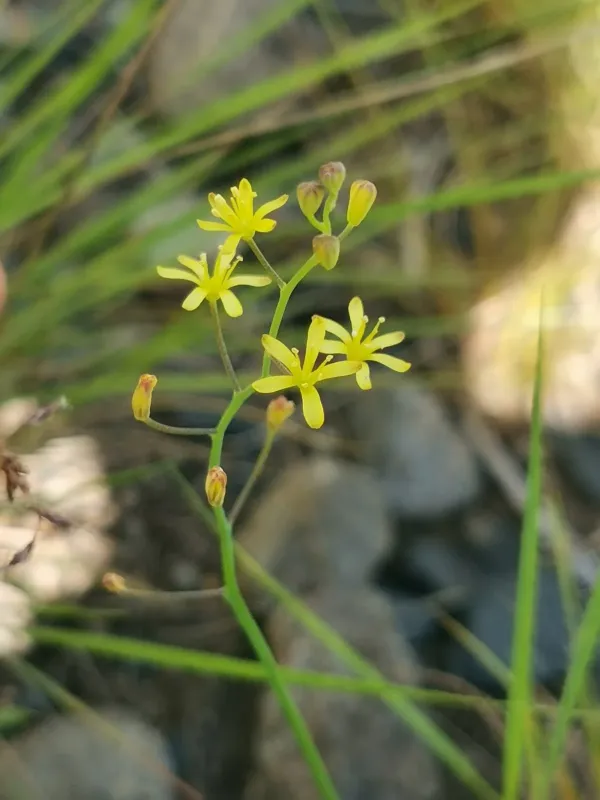
Description
Growing requirements
Eriospermum mackenii is an intriguing bulbous succulent belonging to the Asparagaceae family. Native to the arid landscapes of Southern Africa, it has evolved to thrive in environments with long periods of drought and high light intensity.
For cultivation, the choice of growing medium is paramount. The soil must be highly porous and inorganic, typically a mix of pumice, coarse sand, and a minimal amount of organic matter. This ensures rapid drainage and prevents the tuber from rotting.
Light requirements are significant for this species. Eriospermum mackenii prefers bright, indirect light. Placing the plant in an area with direct scorching sun is not recommended, yet dim light will cause the plant to etiolate and lose its compact structure.
Temperature management should follow seasonal changes. During the active growth phase, room temperatures are sufficient. However, a cooling period during the dormancy phase is essential for the plant to successfully complete its life cycle and potentially bloom.
Watering requires a disciplined approach. One should never water on a schedule, but rather observe the condition of the substrate. Once the medium is bone dry, a thorough watering can be applied, ensuring all excess liquid is drained away.
Main diseases and pests
The most common threat to Eriospermum mackenii is root rot, which is almost always a result of overwatering or poor drainage. Once the tuber begins to rot, it is rarely possible to save the plant, making prevention the best strategy.
Mealybugs are a frequent pest that can infest the plant, hiding in the crevices of the tuber or at the base of the leaf stems. They can weaken the plant by feeding on its sap and creating conditions for secondary infections.
Spider mites are another concern in environments with low humidity. These microscopic pests can cause leaf chlorosis, leading to premature leaf drop and overall decline in the plant's health.
To keep the plant healthy, a good air circulation system in the growing space is critical. It helps prevent fungal outbreaks and keeps the humidity around the leaves at an appropriate level.
Periodic inspection of the soil surface and the base of the tuber is recommended. If any signs of pests are spotted, immediate application of targeted insecticides is necessary to prevent the spread of the infestation to other plants.