
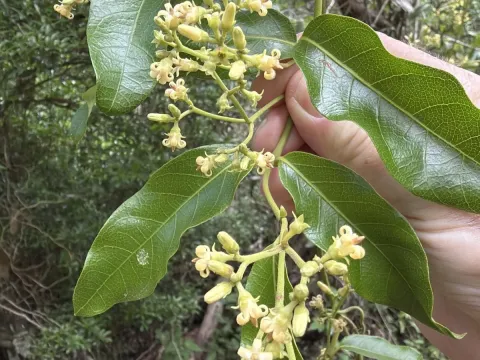
Parsonsia
Parsonsia
Parsonsia is a genus of evergreen woody vines belonging to the Apocynaceae family. These plants are native to tropical and subtropical regions, spanning across Australia, New Zealand, and various parts of Southeast Asia, where they naturally thrive in dense canopies.
What the section contains


Parsonsia
The climatic requirements for Parsonsia center around consistent warmth and high humidity levels. Unlike many other crops, it thrives in environments that mimic its natural habitat, preferring bright, indirect sunlight to prevent scorching of the foliage.
Soil conditions must prioritize excellent drainage, as the roots are sensitive to waterlogging. A rich, loamy substrate with a slightly acidic to neutral pH is ideal for promoting vigorous vine growth and strong structural development.
Agronomic management involves providing sturdy vertical support systems. As a climbing plant, Parsonsia requires careful training and pruning to ensure proper aeration and light penetration throughout the foliage mass, which increases general plant health.
Regular irrigation is essential, especially during the active growing season. The soil moisture should be kept consistent, allowing for brief periods of slight drying between water applications to prevent root-related issues.
Common agricultural pests for this genus include spider mites and scale insects, which often target the tender underside of the leaves. These pests can rapidly decrease plant vigor if left unchecked by scouting efforts.
Fungal pathogens such as powdery mildew represent a significant threat during periods of high humidity and poor air circulation. Symptoms include white dusty patches that inhibit leaf function and overall plant vitality.
Root rot is typically associated with poor drainage practices. This condition is difficult to reverse, making prevention through strict soil management and avoiding standing water the most effective strategy.
Integrated pest management protocols should be implemented to mitigate these risks. Using horticultural oils or specific miticides can help control mite infestations without damaging the delicate vine structures.
Sanitation practices are critical for maintaining healthy plantations. Regularly removing dead or diseased biomass helps reduce the primary inoculum load and prevents the spread of diseases among dense vine groupings.