
Parsonsia heterophylla
Parsonsia heterophylla
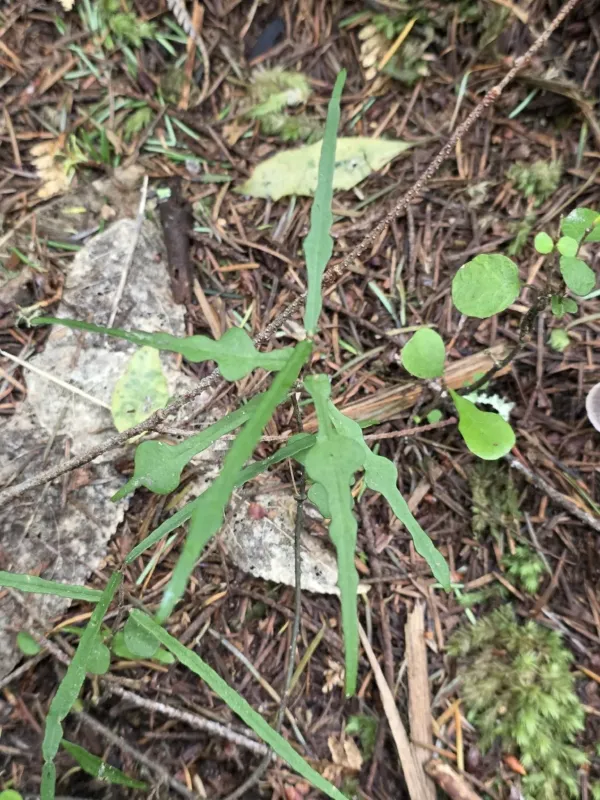
Description
Growing requirements
Parsonsia heterophylla, commonly known as the New Zealand jasmine, is a vigorous evergreen woody vine belonging to the Apocynaceae family. It is native to the diverse forest and scrubland environments of New Zealand.
The plant thrives in fertile, well-draining soils rich in organic matter. A neutral to slightly acidic soil environment supports the development of a healthy root system and promotes long-term vegetative growth.
Regarding light conditions, the vine prefers partial shade or dappled sunlight. While it can withstand bright conditions, direct exposure to harsh afternoon sun often causes leaf scorch and necessitates supplemental watering to maintain plant health.
Climatic requirements focus on temperate conditions with protection from severe frost. Although established plants demonstrate some cold tolerance, they require shelter in regions experiencing freezing temperatures to prevent damage to the xylem and foliage.
Cultural practices include providing sturdy vertical supports such as trellises or wires, as the plant is a natural climber. Consistent moisture during the growing season is essential, while irrigation should be reduced significantly during the dormant period.
Main diseases and pests
Common pests affecting this culture include aphids and spider mites, which typically colonize tender new growth. Infestations are more prevalent in greenhouses or areas with limited natural ventilation during periods of low humidity.
Root rot is the primary physiological threat caused by overwatering or poorly draining substrates. Ensuring that the soil remains moist but not waterlogged is critical for preventing fungal pathogens from compromising the root system.
Powdery mildew may develop if there is insufficient air circulation around the dense foliage. Keeping the plant pruned and ensuring adequate spacing helps to maintain a dry microclimate around the leaves, reducing the risk of fungal outbreaks.
Scale insects can occasionally infest the woody stems of older plants. Regular inspection and the removal of heavily infested parts can prevent the spread of the pest throughout the entire vine structure.
Integrated pest management strategies, focusing on biological controls and proper cultural maintenance, are highly effective. Using chemical pesticides should be approached with caution due to the plant's sensitivity and potential impact on local pollinators.