
Parsonsia alboflavescens
Parsonsia alboflavescens
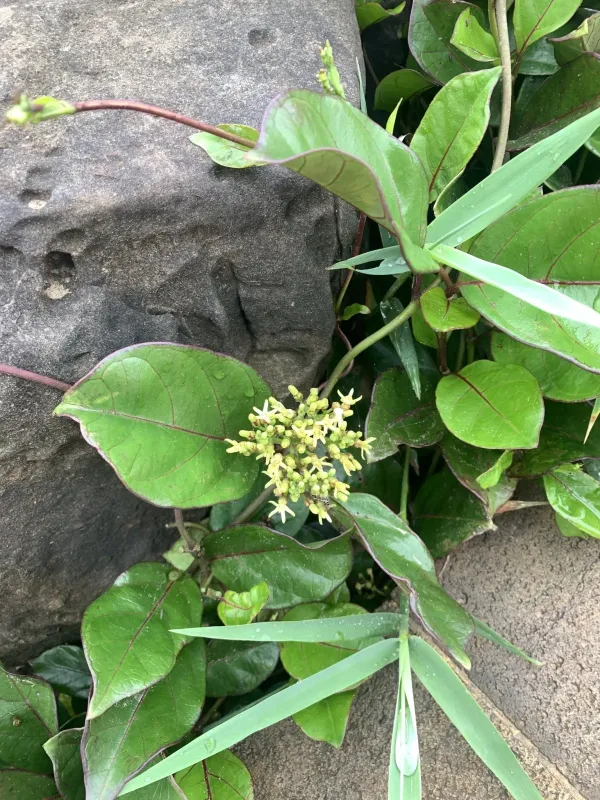
Description
Growing requirements
Parsonsia alboflavescens is a woody, perennial climbing vine classified within the Apocynaceae family. It is native to the tropical regions of Southeast Asia and Oceania, thriving in humid, low-to-mid canopy environments where it utilizes surrounding trees for structural support.
The climate requirements for this species are strictly tropical, necessitating warm temperatures throughout the year and high levels of atmospheric humidity. Sudden drops in temperature or exposure to cold, dry air can significantly stress the plant and inhibit its vegetative growth.
Optimal soil conditions for this vine involve well-drained, nutrient-rich substrates with a neutral to slightly acidic pH level. The plant requires consistent moisture, but waterlogged conditions must be avoided at all costs to prevent root rot and other physiological disorders.
For cultivation purposes, providing sturdy trellises or natural vertical supports is essential. As a climbing vine, Parsonsia alboflavescens relies on these supports to maximize its leaf surface area exposure, which in turn influences its blooming capacity.
Lighting should be bright but filtered. In its natural habitat, the plant is accustomed to the dappled light of the forest floor and understory, making direct, intense sunlight potentially detrimental to its health.
Yield
The primary utility of Parsonsia alboflavescens is found in landscape design, where its rapid climbing ability and fragrant flowers are valued for vertical greening in tropical gardens. It serves as an excellent candidate for covering fences and walls in appropriate zones.
In traditional practices, specific extracts from the plant have been used for various purposes, including local herbal medicine applications. The species continues to be a subject of interest for phytochemical research due to the diverse array of alkaloids present in its tissues.
Ecologically, the vine plays a significant role in its native habitat by providing nesting sites for small fauna and serving as a nectar source for various pollinators. It contributes to the overall stability of tropical ecosystem structures.
While not a large-scale agricultural crop, the species has potential in the nursery industry, where demand for unique and aromatic tropical flora remains consistent among landscape professionals and botanical enthusiasts.
Ongoing studies into the plant's secondary metabolites may eventually lead to new applications in biotechnology, particularly in the fields of natural pest control or pharmaceutical synthesis.
Main diseases and pests
Fungal infections pose the greatest threat to Parsonsia alboflavescens, particularly when the root zone is chronically damp or when air circulation is poor. Root rot is a common issue that can quickly weaken the entire vine if left unaddressed.
Common insect pests include scale insects and mealybugs, which tend to infest the stems and the undersides of the foliage. These pests suck the plant's sap, potentially causing leaf yellowing, stunted growth, and a decrease in general plant vitality.
Mitigation strategies against these threats prioritize sanitation and environmental control. Ensuring proper spacing between plants and utilizing well-draining soil are fundamental steps in preventing the onset of disease outbreaks.
Biological control methods, such as the introduction of natural predators, are often preferred in domestic or controlled settings. When chemical intervention is necessary, systemic treatments that are gentle on the plant's delicate vascular system are recommended.
Consistent monitoring and the early identification of pests or symptomatic leaf tissue allow for rapid intervention, which is critical for maintaining the health of the vine in artificial or semi-cultivated environments.