
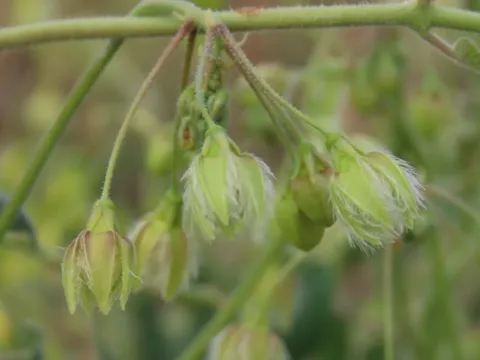
Pergularia
Pergularia
Pergularia, a member of the Apocynaceae family, is a vigorous perennial vine that requires careful sowing practices to thrive. Seeds should be planted in well-draining, nutrient-rich soil once the danger of frost has passed and soil temperatures consistently exceed +20°C.
What the section contains


Pergularia
Pre-soaking the seeds in warm water for several hours can enhance germination rates significantly. Seeds are typically sown at a shallow depth of approximately 1-2 cm, allowing for adequate oxygen exposure during the initial developmental phase.
Controlled environments, such as greenhouses or propagation trays, are often used to start seedlings, ensuring optimal heat and humidity levels. This method helps maintain a constant temperature of +22°C to +25°C, which is ideal for uniform emergence.
Once seedlings develop their first true leaves, they require transplanting into individual containers or their final permanent location. Proper spacing of 50-70 cm is essential to prevent overcrowding and allow the vines to spread naturally.
Gradual acclimatization to direct outdoor conditions is recommended for greenhouse-started plants. This hardening-off process minimizes transplant shock and helps the vines establish a robust root system quickly.
Pergularia is a heat-loving and sun-dependent crop that demands high light intensity for optimal growth. Exposure to full sunlight throughout the day is critical for developing strong stems and reaching full flowering potential.
The ideal soil for Pergularia should be loose, loamy, and well-aerated. High-quality drainage is vital, as the plant is susceptible to root rot if moisture accumulates in the root zone for extended periods.
Watering practices must be balanced; the soil should remain consistently moist but never waterlogged. Irrigation should be adjusted based on local climate conditions, ensuring the top layer of soil dries slightly between waterings.
As a climbing vine, Pergularia requires sturdy support structures such as trellises, netting, or wooden stakes. These structures allow for better canopy management, improve air circulation, and reduce the risk of pathogen accumulation on the foliage.
Supplemental fertilization with a balanced NPK fertilizer, particularly during the peak growth season, supports rapid development. Using formulas with enhanced phosphorus levels can further improve the quality of floral displays and overall plant health.
Common pests, including spider mites and mealybugs, represent the primary threat to Pergularia. These insects thrive in dry, warm conditions and can quickly colonize the undersides of leaves, draining vital sap and stunting growth.
Fungal diseases, such as powdery mildew, often arise due to high humidity and stagnant air. These conditions promote the growth of white fungal mats on leaves, which, if left untreated, can lead to severe tissue necrosis and leaf drop.
Integrated pest management (IPM) strategies, including the use of targeted acaricides and systemic fungicides, are necessary for effective control. Early detection is crucial, and monitoring foliage regularly is recommended to prevent large-scale infestations.
Maintaining proper hygiene by removing dead or diseased plant tissue helps curb the spread of infection. Additionally, ensuring proper plant density facilitates better airflow, which acts as a natural preventative measure against many common ailments.
Effective management also involves balancing irrigation and ventilation to create an environment where the crop is less stressed, thereby naturally increasing its resistance to various biotic and abiotic stressors.