
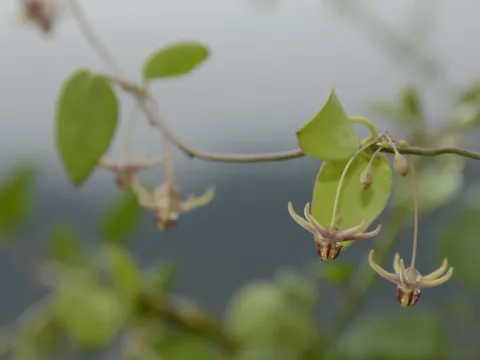
Pentatropis
Pentatropis
Pentatropis is a genus of perennial climbing plants belonging to the Apocynaceae family. These plants are native to tropical and subtropical regions of Africa, Asia, and Australia, where they have evolved to thrive in arid and harsh environments.
What the section contains


Pentatropis
Botanically, Pentatropis plants are known for their twining stems and fleshy leaves, which help the plant retain moisture during periods of low rainfall. They require well-draining soil types, typically sandy or rocky loam, to prevent root rot.
In terms of climate requirements, the crop demands high solar radiation and stable temperatures throughout the growing season. Frost sensitivity is a major limiting factor, making it unsuitable for open-field cultivation in colder regions.
Agricultural success depends on providing proper vertical support structures. Because these plants are climbers, vertical trellising ensures better leaf exposure to sunlight and improves overall airflow through the foliage canopy.
The plant demonstrates a strong ability to withstand water stress, making it an interesting candidate for low-input farming systems in warm, arid climates, provided the drainage is managed correctly.
The primary threats to Pentatropis are related to fungal pathogens, particularly root rot triggered by waterlogged conditions and high humidity in the rhizosphere.
Pests such as spider mites and mealybugs are frequently observed, especially in greenhouse conditions where low humidity and restricted natural predator activity occur.
Aphids can cause significant damage to young shoots, potentially transmitting viral diseases which can stunt the growth of the entire plant structure.
Proactive monitoring is essential to detect early signs of infestation. Integrated pest management, focusing on biological controls rather than harsh chemical sprays, is recommended for this crop.
Cultural practices such as proper spacing and strict irrigation schedules are the best preventative measures against the majority of common plant diseases affecting this genus.