
Parsonsia eucalyptophylla
Parsonsia eucalyptophylla
Description
Growing requirements
Parsonsia eucalyptophylla is a woody vine belonging to the Apocynaceae family. It is native to the eastern parts of Australia, where it thrives in varied climates ranging from subtropical to temperate zones.
The plant requires well-drained, fertile soil with a neutral to slightly acidic pH level. Because it is a vigorous climber, providing sturdy trellises or supports is essential for healthy vertical development.
In terms of climate, it prefers warm conditions with consistent access to light. While it shows some drought tolerance once established, regular irrigation during the growing season is crucial for optimal foliage production.
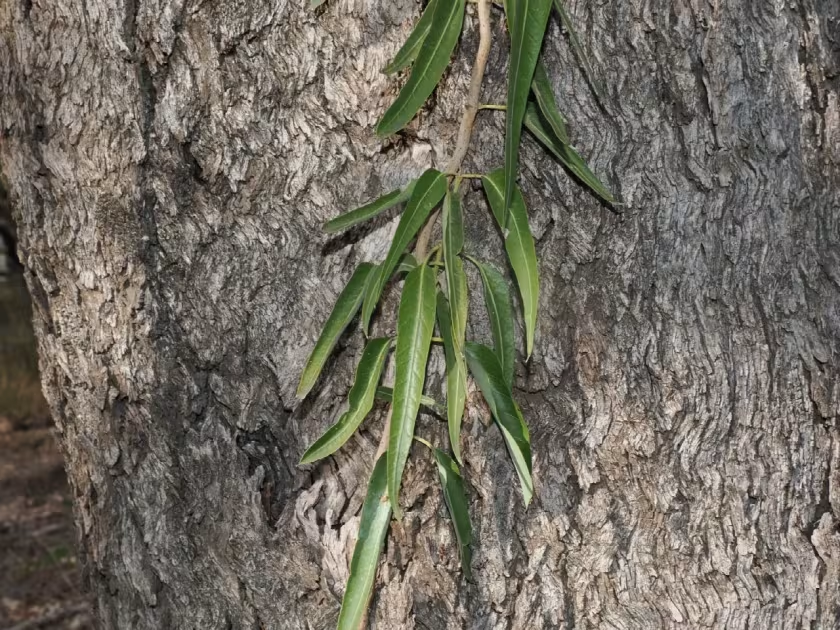
Botanically, the plant is distinguished by its narrow, lanceolate leaves, which bear a striking resemblance to those of the Eucalyptus genus. Its small, fragrant flowers are typically arranged in clusters that act as pollinators attractants.
When used in horticultural settings, the plant serves primarily as an ornamental climber. It can be trained to cover fences or walls, creating a dense green screen that thrives in sheltered positions with ample sunlight.
Main diseases and pests
Root rot is the most common threat to this species, usually caused by poor drainage or overwatering. Maintaining a proper watering schedule and soil aeration is the primary defense strategy for farmers and gardeners.
Pests such as aphids and mealybugs can occasionally infest the foliage, particularly in environments with stagnant air. Frequent monitoring and the application of mild horticultural oils help keep populations in check.
Fungal leaf spots may develop if the humidity remains excessively high for prolonged periods. Ensuring adequate spacing between plants significantly reduces the risk of such occurrences.
Frost damage can occur in cooler climates, which weakens the plant and invites opportunistic diseases. Protecting the root zone with mulch during winter is a recommended practice to improve survival rates.
Viral infections may manifest through leaf yellowing or stunted development. These are typically spread by sap-sucking insects, so effective vector control is necessary for maintaining plant health.