
Pale swallow-wort
Vincetoxicum rossicum
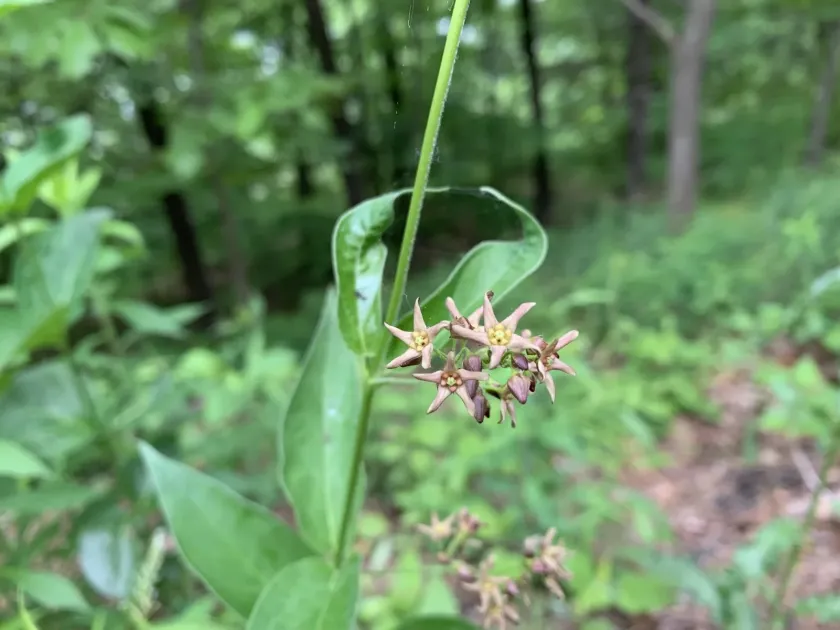
Description
Sowing dates
Pale swallow-wort propagation is primarily achieved through seeds which require a period of cold stratification to break dormancy and ensure high germination rates.
Sowing should ideally occur in late autumn, allowing the seeds to undergo natural overwintering conditions before sprouting in the following spring season.
When sowing in spring, seeds should be treated in a refrigerator for at least 60 days to mimic winter conditions, which is crucial for successful plant development.
Seeds are small and should be sown at a shallow depth of approximately 1 centimeter, covered lightly with fine soil to ensure proper light exposure for emerging seedlings.
Early-stage seedlings require consistent soil moisture; however, once established, the root system becomes highly resilient to drought conditions in the substrate.
Growing requirements
Vincetoxicum rossicum, a member of the Apocynaceae family, is a perennial herbaceous plant known for its creeping rhizomes and high environmental adaptability.
This species thrives in well-drained, lime-rich soils and demonstrates a remarkable ability to colonize various habitats, ranging from forests to open disturbed fields.
It prefers sunny environments, although it possesses significant shade tolerance, allowing it to persist in various canopy densities within forest understories.
The plant is highly frost-tolerant and well-adapted to the climatic conditions of Eastern Europe, making it a hardy perennial in temperate climate zones.
Due to its competitive nature and aggressive growth, it often forms dense monocultures that outcompete native vegetation in its preferred soil conditions.
Main diseases and pests
While the species is hardy, it can be susceptible to root-rot pathogens when grown in compacted or waterlogged soils, which prevents proper respiration.
Common agricultural pests such as aphids and spider mites can infest the foliage, particularly during dry, hot weather patterns, causing leaf chlorosis.
Fungal diseases like powdery mildew can affect the leaves in humid environments, reducing the overall photosynthetic capacity of the mature plants.
Its toxicity provides some protection against mammalian herbivores, but it is prone to damage by specific insects adapted to consume Apocynaceae foliage.
Management of this plant as a nuisance species requires persistent mechanical removal, ensuring the entire root system is extracted to prevent re-sprouting.
Harvesting
Harvesting for medicinal purposes focuses on the aerial parts collected during the flowering stage, which usually occurs from late spring through mid-summer.
Rhizomes are harvested during the dormant autumn phase when the concentration of therapeutic alkaloids is at its peak before the plant enters winter stasis.
Raw materials must be cleaned immediately after harvest to remove debris and soil, followed by rapid drying to maintain the integrity of biochemical compounds.
Drying is performed in controlled, well-ventilated conditions at moderate temperatures to prevent fermentation or degradation of the active medicinal ingredients.
Proper storage is essential, using moisture-proof containers placed in dark, cool areas to preserve the shelf life and potency of the collected plant products.