
Periploca calophylla
Periploca calophylla
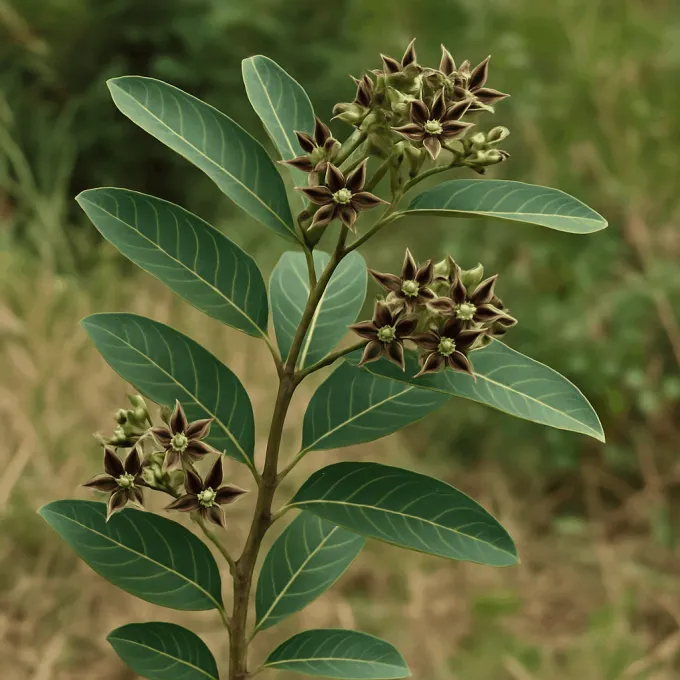
Description
Growing requirements
Periploca calophylla is an evergreen woody vine belonging to the Apocynaceae family. Native to the Himalayan region and parts of Southern China, it thrives in subtropical mountain forest environments.
This species is characterized by its slender, lanceolate leaves and twining stems, making it a popular choice for vertical gardening in compatible climate zones.
The plant requires a well-lit location, though it benefits from light shade during the hottest part of the day. Consistent warmth is essential, as the species is not frost-tolerant.
Soil requirements include excellent drainage and a rich, slightly acidic to neutral substrate. Proper aeration is crucial to prevent root zone suffocation in container-grown specimens.
Beyond its ornamental appeal, the genus is of scientific interest due to the presence of cardiac glycosides, often studied in ethnobotany and pharmacology.
Main diseases and pests
Common pests affecting this vine include spider mites and scale insects, which frequently appear in low-humidity environments.
Fungal diseases, such as powdery mildew or root rot, are usually the result of overwatering or poor air circulation around the foliage.
Integrated pest management, including regular inspection and the use of horticultural oils, is recommended to keep the plant healthy.
Ensuring proper irrigation cycles prevents the soil from remaining waterlogged, which is the primary cause of root-related mortality in this species.
It is advised to maintain a clean environment around the plant to minimize the risk of pathogen transmission from adjacent decorative or agricultural crops.