
Pachypodium sofiense
Pachypodium sofiense
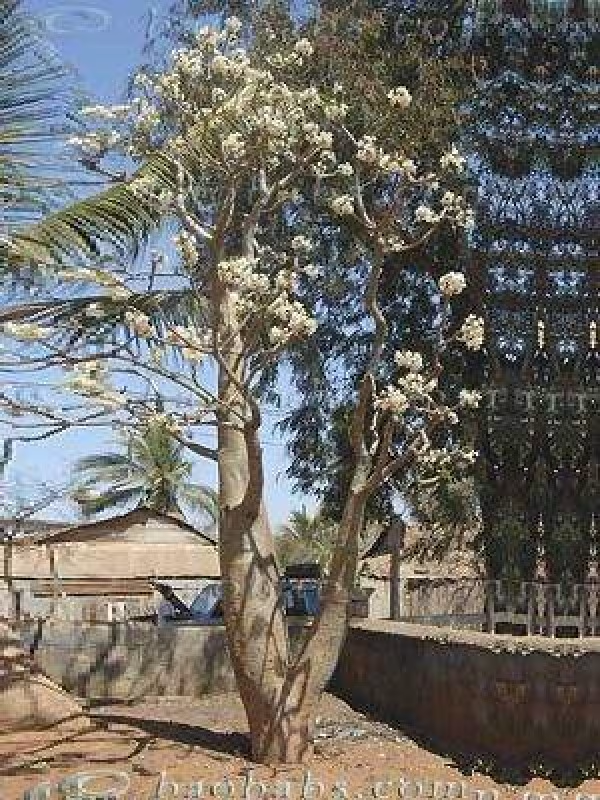
Description
Growing requirements
Pachypodium sofiense is a distinctive succulent species belonging to the Apocynaceae family, native to the arid regions of Madagascar. It is characterized by a thick, succulent trunk covered in sharp spines, which acts as a vital water storage organ for surviving long, rainless seasons.
The plant thrives in environments that mimic its natural habitat, requiring intense, direct sunlight for most of the day. Without sufficient light intensity, the plant will become etiolated, losing its characteristic architectural shape and robust health.
Soil requirements focus heavily on drainage; the ideal planting medium consists of coarse mineral components like pumice, lava rock, and coarse sand mixed with a small amount of organic substrate. This ensures that water passes through quickly, preventing stagnant moisture around the roots.
Climate conditions must follow a seasonal cycle. During the growing season, warm temperatures are necessary, while the winter dormant period requires a cooler, dry environment to prepare the plant for the next growth cycle.
Agricultural maintenance involves careful hydration. During the summer, water should be applied only when the soil is completely dry. As temperatures drop in autumn, water supply should be drastically reduced to facilitate the plant's entry into dormancy.
Main diseases and pests
The primary threat to Pachypodium sofiense is rot, typically caused by overwatering or poor soil aeration. This is especially dangerous during cool weather, as cold, wet soil is a death sentence for the root system of these highly specialized plants.
Pests such as spider mites and mealybugs frequently attack these succulents. Spider mites thrive in dry conditions and can quickly damage the leaves, while mealybugs hide between the spines, making them difficult to detect and eradicate.
Regular inspection is essential for effective pest management. If an infestation occurs, it is recommended to use targeted horticultural oils or systemic insecticides to protect the plant without damaging its delicate tissues.
One must exercise caution when handling the plant, as it contains a toxic milky latex sap. Protective gloves should be worn during pruning or transplanting to prevent skin irritation or accidental ingestion by pets.
Maintaining a clean, well-ventilated space is the best preventative strategy against disease. Providing adequate air movement helps dry out the soil surface and discourages the proliferation of mold and fungal pathogens that thrive in stagnant air.