
Periploca angustifolia
Periploca angustifolia
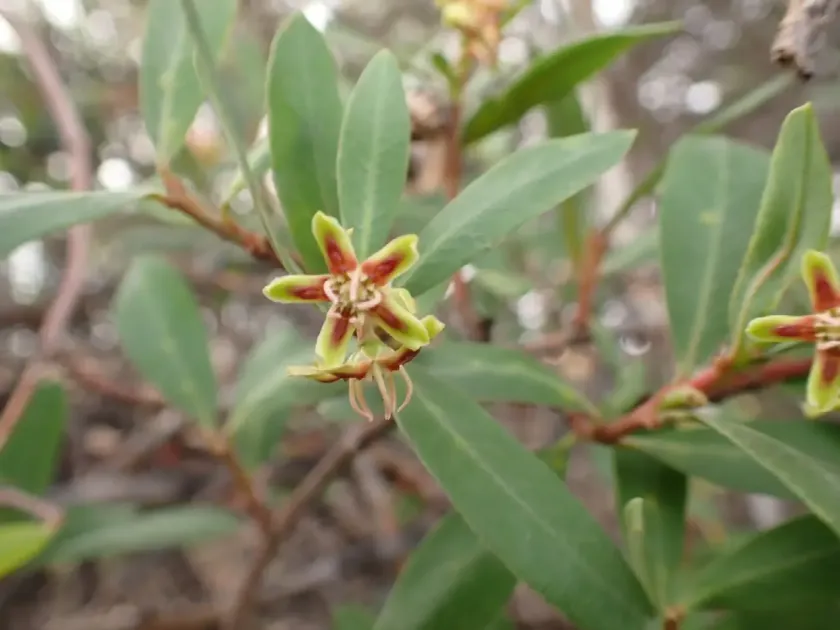
Description
Growing requirements
Periploca angustifolia, known as the narrow-leaved silk vine, is a perennial evergreen shrub belonging to the Apocynaceae family. It is native to the arid Mediterranean Basin, including regions of North Africa and Southern Europe.
This species is highly adapted to extreme environmental conditions, thriving as a xerophyte on rocky, calcareous, and nutrient-poor soils. Its physiological makeup allows it to withstand long periods of drought and intense solar exposure.
Successful cultivation requires soil with excellent drainage properties to prevent root decay. Periploca angustifolia prefers neutral to slightly alkaline pH levels, typical of the limestone-based substrates found in its natural habitat.
In terms of climate, the plant requires significant warmth and a prolonged growing season. While it is naturally resilient, it is susceptible to severe frost damage; therefore, site selection in milder microclimates is essential for commercial viability.
Basic agronomic management focuses on preserving the natural integrity of the root system. Avoiding soil compaction is crucial, as the plant relies on well-aerated conditions to support its complex network of roots in harsh environments.
Yield
The primary economic interest in Periploca angustifolia lies in its pharmaceutical potential. The plant is a source of specialized glycosides, which are highly valued in the production of specific medicinal compounds.
Productivity in agricultural settings is optimized through the use of drip irrigation, which provides sufficient moisture during critical growth stages while maintaining the dry conditions the plant prefers. This balance is key to achieving consistent biomass yields.
Beyond pharmaceuticals, the plant is utilized in xeriscaping and landscape architecture. Its evergreen nature and drought tolerance make it an ideal choice for sustainable urban greening projects in water-scarce regions.
Ongoing research is exploring the extraction of fiber from the plant's stems for industrial applications. While currently a niche area, it presents an opportunity for value-added utilization of harvest by-products.
Future agricultural productivity will likely depend on the domestication of superior genotypes. Selection programs aimed at higher glycoside concentration and increased biomass will play a pivotal role in the professional cultivation of this species.
Main diseases and pests
The narrow-leaved silk vine is susceptible to various sap-sucking insects, such as aphids and mites, which can proliferate rapidly during warm, dry months. Integrated Pest Management (IPM) strategies are recommended to mitigate these risks.
Root and stem rot caused by fungal pathogens represent the greatest threat in poorly drained soils. Managing water applications with extreme precision is the most effective preventative measure against these infections.
Competition from invasive weed species can significantly hinder the growth of young shrubs. Implementing organic mulching techniques not only suppresses weeds but also contributes to soil moisture regulation.
To prevent disease spread, it is essential to maintain proper plant spacing, ensuring adequate airflow through the canopy. This reduces humidity levels around the foliage, making the environment less hospitable to fungal spores.
In the event of an outbreak, biological control agents should be prioritized over broad-spectrum pesticides to maintain the balance of the local ecosystem and ensure the safety of the harvested pharmacological material.