
Parsonsia capsularis
Parsonsia capsularis
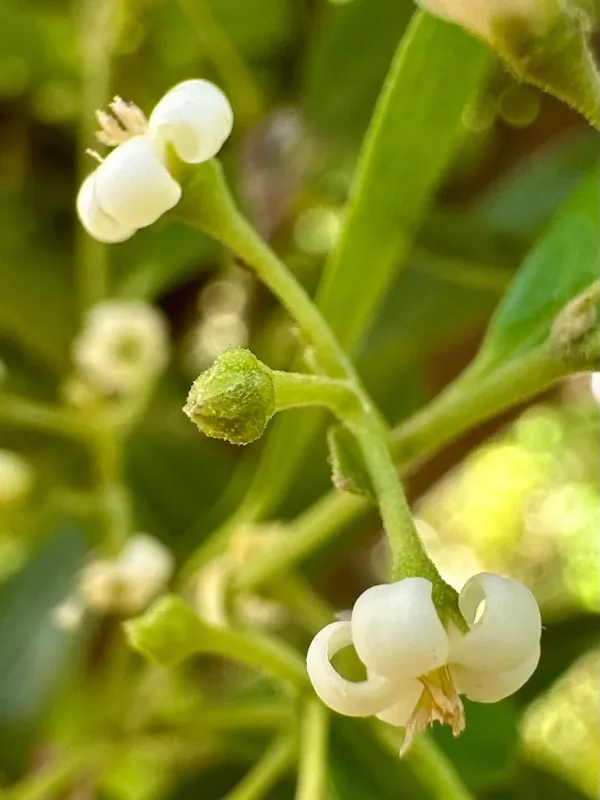
Description
Growing requirements
Parsonsia capsularis is an evergreen woody vine belonging to the Apocynaceae family, native to New Zealand. This climber is prized for its resilience and its attractive foliage, making it a popular choice for architectural landscaping.
The plant requires well-drained, fertile soil with a neutral to slightly acidic pH level. It performs best in positions that receive full sun to partial shade, allowing the plant to develop a dense canopy of glossy, dark green leaves.
Regarding climate, this species prefers temperate conditions with high humidity. While it can withstand mild frosts, protection is recommended for younger plants or those grown in pots during colder periods to prevent damage to the stems.
Agronomic management involves providing sturdy supports, such as trellises or wires, for the vines to climb. Regular pruning is essential to manage growth, encourage lateral branching, and maintain the desired aesthetic shape of the plant.
Its primary agricultural and horticultural utility lies in landscape gardening. It is extensively used for vertical greening of fences, wall coverings, and creating privacy screens in residential gardens and public spaces.
Main diseases and pests
The most significant threat to Parsonsia capsularis is root rot caused by poor soil drainage. Ensuring that the planting site or container has excellent drainage is crucial for the long-term health of the plant.
Aphids and scale insects are the most common pests affecting this species. They typically cluster on tender new growth, and if left untreated, can weaken the plant and reduce its aesthetic appeal.
Powdery mildew may develop in humid conditions with poor air circulation. Regular thinning of the foliage ensures that the plant remains well-ventilated, reducing the incidence of fungal outbreaks.
Spider mites can be a problem in arid environments or protected settings like conservatories. Maintaining proper atmospheric moisture through regular misting is an effective preventative cultural practice.
Monitoring the plant for early signs of stress or pest infestation is recommended. With appropriate horticultural care and routine observation, this vine can be kept healthy and vigorous for many years.