
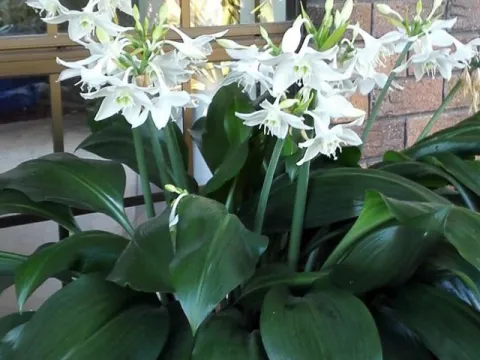
Urceolina
Urceolina
Urceolina is a genus of bulbous perennial plants belonging to the Amaryllidaceae family. These plants are widely recognized for their unique, urn-shaped flowers, which provide significant aesthetic value to indoor plant collections and specialized botanical gardens.
What the section contains


Urceolina
The genus originates from the high-altitude mountainous regions of South America, specifically the Andean areas of Peru and Bolivia. Because of this origin, they are adapted to specific light and temperature conditions that mimic the moderate environment of the cloud forests.
Cultivation of Urceolina requires a well-draining, nutrient-rich potting medium to ensure the delicate bulb does not succumb to rot. A mixture of peat, perlite, and organic compost is generally recommended to provide the necessary structure and moisture-holding capacity.
Temperature management is crucial, as the plant thrives in moderate conditions. During the growing season, it prefers temperatures between 20°C and 25°C. Lower temperatures, closer to 15°C, are required during the winter dormancy period to promote future blooming cycles.
Light exposure should be bright but indirect. Direct, harsh sunlight can damage the leaves and desiccate the plant quickly. Placing the pots in areas with filtered sunlight or behind sheer curtains is the best practice for maintaining healthy leaf color and structural integrity.
The primary threats to Urceolina are fungal diseases resulting from excessive soil moisture or improper drainage. Root rot and bulb rot are the most common issues, often caused by overwatering or leaving the plant in a stagnant, saturated potting medium for extended periods.
Pests such as mealybugs and spider mites are frequent invaders in indoor environments. Spider mites thrive in dry conditions and can cause severe damage by feeding on the sap, leading to stunted growth, leaf yellowing, and eventually the death of the foliage.
Monitoring the plant for signs of infestation is vital. Early detection allows for physical removal of the pests using a damp cloth or a gentle insecticidal soap, preventing the need for more aggressive chemical treatments that might damage the plant's delicate tissues.
Proper aeration of the growing environment is a key factor in disease prevention. Ensuring that the space around the plant is well-ventilated helps to prevent the accumulation of humidity, which otherwise encourages the growth of mold and mildew on the plant's surface.
When repotting, it is essential to inspect the bulb for any signs of infection or damage. Treating the bulb with a mild fungicide solution can provide a protective layer and help the plant recover from potential stress caused by the transplanting process.