
Urceolina amazonica
Urceolina amazonica
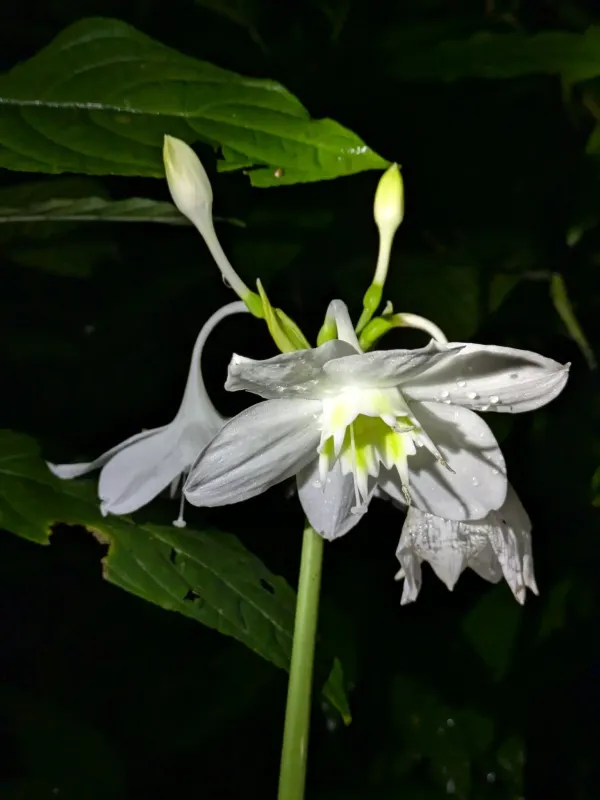
Description
Growing requirements
Urceolina amazonica is a bulbous perennial belonging to the Amaryllidaceae family, native to the Amazonian rainforest regions. This plant is highly prized for its unique, urn-shaped yellow flowers, which set it apart from other members of its family.
Cultivation requires a stable environment with temperatures maintained between 20–25°C. As a tropical species, it thrives in warm conditions and must be protected from cold drafts, which can cause significant physiological stress and leaf drop.
The soil substrate must be highly porous and rich in organic matter to mimic the natural forest floor conditions. A standard mix typically includes peat, leaf mold, and perlite or coarse sand to ensure efficient drainage and prevent waterlogged root zones.
Watering frequency should be adjusted according to the plant's growth cycle, with consistent moisture required during the active growing season. During the dormant period, irrigation should be significantly reduced to allow the bulbs to rest appropriately.
Lighting requirements are specific: Urceolina amazonica prefers bright, indirect light. Prolonged exposure to direct, intense sunlight can scorch the foliage and reduce the plant's aesthetic quality, making location selection critical for success.
Main diseases and pests
Common pests associated with this culture include spider mites and scale insects, particularly when humidity levels are inadequate. Periodic inspection and leaf cleaning are essential preventive measures to maintain plant health throughout the season.
Bulb rot is the primary pathological threat, usually triggered by excessive moisture and poor soil aeration. Using high-quality drainage materials and proper irrigation management are the most effective ways to mitigate the risk of fungal infections in the root zone.