
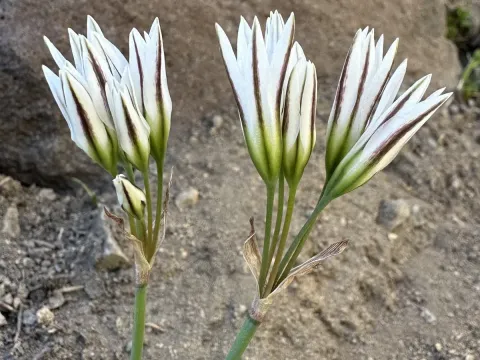
Tristagma
Tristagma
Planting of Tristagma bulbs is typically scheduled for the autumn season, several weeks before the ground freezes, allowing the root system to establish properly.
What the section contains

Tristagma
In regions with harsh winters, growers often opt for spring planting, ensuring the soil temperature has consistently reached at least 10 degrees Celsius.
Propagation by seeds should be initiated in indoor nursery trays during late winter to provide a head start on the growing season before outdoor temperatures rise.
Spacing requirements vary depending on the specific species, but a general guideline is to maintain a distance of 10-15 centimeters between individual bulbs.
The planting depth should be roughly two to three times the diameter of the bulb, ensuring optimal positioning for shoot development in the upcoming cycle.
Tristagma is a genus of bulbous perennial plants belonging to the family Amaryllidaceae, native to the diverse landscapes of South America.
The plants thrive in locations with abundant sunlight, though they can tolerate partial shade in areas characterized by intense heat and long summer days.
A well-draining, fertile soil with a neutral to slightly alkaline pH is essential to prevent physiological issues and promote vigorous floral development.
Watering management is critical: consistent moisture is needed during the active growth phase, whereas a dry period is necessary during the plant's dormancy.
Adequate soil aeration is vital for Tristagma; compact or waterlogged soils will inevitably lead to bulb rot and poor plant health throughout the season.
The most significant threat to Tristagma health is fungal decay, commonly triggered by high humidity levels and poor water drainage in the root zone.
Bulb mites can cause severe structural damage to the basal plate, significantly inhibiting the plant's ability to uptake water and essential nutrients.
Aphids are frequent pests that colonize foliage and stems, serving as vectors for various plant viruses that can rapidly weaken entire populations.
Mollusks such as slugs and snails are problematic in wet environments, where they cause significant aesthetic and physiological damage to tender leaves.
- Regular inspections for early detection of pest infestations.
- Strategic use of systemic fungicides for root protection.
- Maintaining clean cultivation area free from decaying organic matter.