
Urceolina grandiflora
Urceolina grandiflora
Description
Growing requirements
Urceolina grandiflora is a fascinating bulbous perennial member of the Amaryllidaceae family. Originating from the Andean regions of Peru, it is highly valued by collectors for its unique aesthetic and structural characteristics.
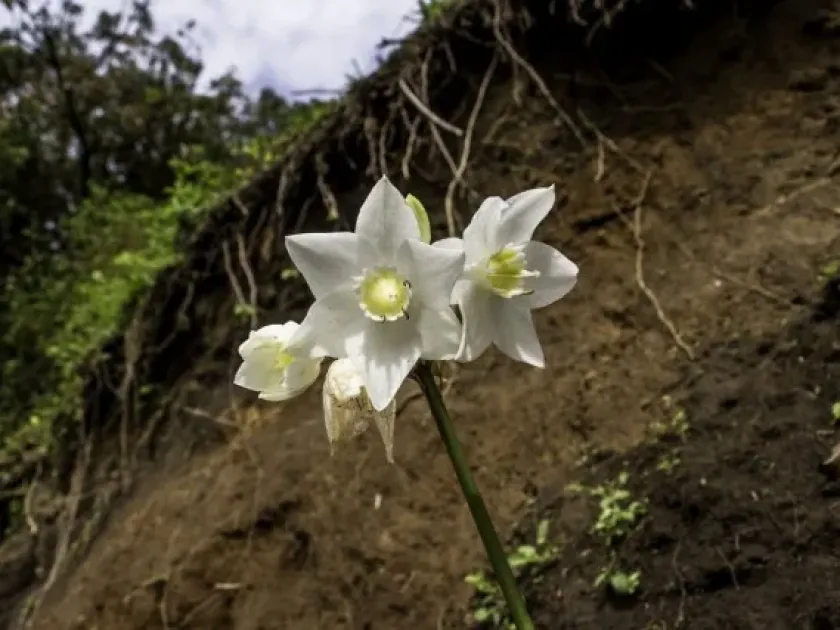
The plant produces distinct, pendulous, urn-shaped flowers, which are primarily yellow-green with striking crimson tips. These flowers are arranged in umbels atop a tall scape, complemented by a basal rosette of broad, deep green, lanceolate leaves.
In terms of cultivation, it requires a well-draining, nutrient-rich potting medium to thrive. Proper drainage is crucial to ensure the bulb does not sit in excess water, which is the primary cause of root failure in this species.
The species prefers bright, indirect sunlight, mimicking its natural understory environment in the cloud forests. Temperature fluctuations should be kept moderate, and providing a clear dry rest period is essential to trigger successful flowering cycles.
Propagation is mainly achieved by offsets (daughter bulbs) harvested during the repotting process. Careful handling is necessary to ensure the sensitive root system remains intact during transfer into fresh, sterilized soil mix.
Main diseases and pests
The most common health issues involve fungal infections and bulb rot, often triggered by excessive moisture and poor soil aeration. Applying systemic fungicides and strictly controlling watering frequency are the best defensive strategies.
Pests typically include common indoor threats such as spider mites and mealybugs, which thrive in low-humidity environments. Integrated pest management, including leaf cleaning and the use of targeted horticultural soaps, helps maintain plant health.