
Tulbaghia ludwigiana
Tulbaghia ludwigiana
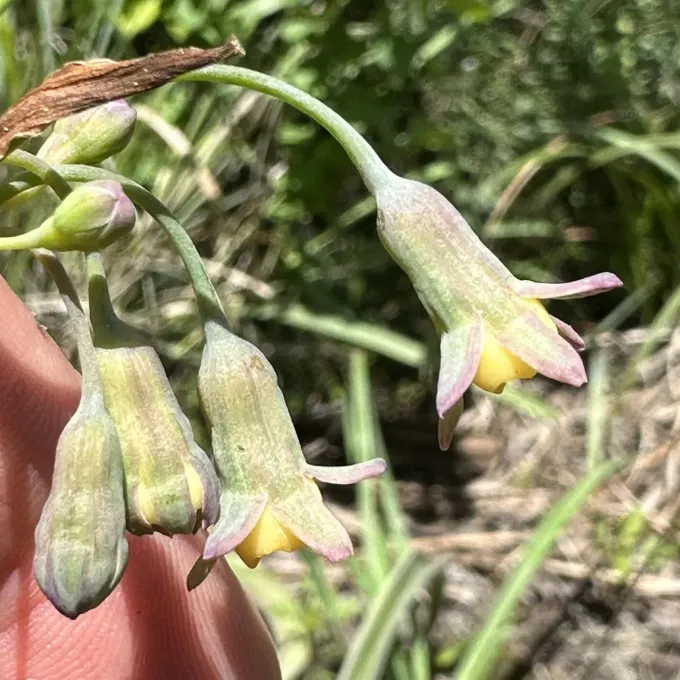
Description
Sowing dates
Tulbaghia ludwigiana is a perennial herbaceous plant belonging to the Amaryllidaceae family. Propagation of this culture is most effectively achieved through seed sowing or the vegetative division of rhizomes, which facilitates rapid multiplication for larger plantings.
The optimal time for sowing seeds is early spring, once the soil reaches a stable temperature conducive to germination. Pre-sowing cold stratification for a few weeks significantly improves the germination rate and vigor of the young seedlings as they emerge.
For vegetative propagation, plant division should be performed at the end of the growing season when the plant enters a dormant phase. This minimizes transplant stress on the parent plant and promotes better root establishment for the divisions in the following growing season.
Spacing between plants should be at least 30–40 centimeters to ensure adequate nutrition and air circulation. Overcrowding can lead to light competition and insufficient airflow, which negatively impacts the overall development and flowering performance of the crop.
Seeds should be sown at a depth of 1–2 centimeters in light, well-draining soil. It is crucial to maintain consistent moisture in the substrate until true leaves appear, while avoiding waterlogging, which can be fatal to the developing root system.
Growing requirements
This culture has specific environmental requirements stemming from its African origins. It prefers well-lit sites with direct sunlight, as inadequate light exposure leads to elongated flower stalks and a noticeable reduction in ornamental value.
Soils for successful cultivation must have excellent permeability with a neutral or slightly acidic pH. Heavy clay soils should be amended with organic matter or drainage-enhancing materials such as coarse sand or perlite to prevent root rot caused by stagnant water.
Temperature management is a critical factor: Tulbaghia ludwigiana is sensitive to prolonged hard frosts without adequate protection. In regions with harsh winters, container gardening is recommended, allowing the plant to be moved indoors to a frost-free area.
Regular irrigation is required during the active growth period, although the plant shows moderate drought tolerance due to its fleshy roots. However, excessive moisture during low-temperature periods frequently induces rot in the bulbous parts of the plant.
Fertilization should be carried out using balanced mineral fertilizers with reduced nitrogen levels during the pre-flowering stage. This practice encourages the formation of more flower buds and ensures the long-lasting visual appeal of the blooming plants.
Main diseases and pests
The primary threats to this plant are fungal diseases that proliferate in overly damp soil conditions. Root rot can destroy the plant very rapidly, making strict irrigation management and high-quality drainage systems essential for long-term survival.
Pests such as spider mites and aphids may infest the foliage if the microclimate in greenhouses is poorly managed or during extended dry spells. Regular inspection of the leaf undersides allows for early detection and the application of biological or chemical control measures.
Thrips can occasionally cause damage, leaving characteristic silvery streaks on the leaves and weakening the overall vitality of the plant. Preventive treatments with broad-spectrum insecticides can help keep insect populations under control during the early stages of infestation.
Nematodes can pose a significant threat when cultivated in open ground on contaminated plots. As a preventive measure, it is recommended to use only healthy planting stock and to practice proper crop rotation, avoiding locations previously occupied by other Amaryllidaceae species.
Mechanical damage to roots during careless weeding can also create entry points for soil-borne pathogens. Using mulch to suppress weeds and maintain the structure of the upper soil layer around the plant is a highly recommended horticultural practice.