
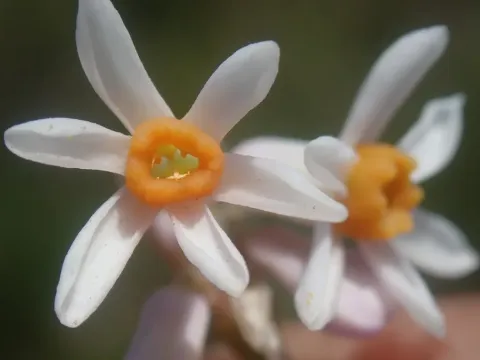
Tulbaghia
Tulbaghia L.
Tulbaghia (Tulbaghia L.) is a genus of perennial herbaceous plants belonging to the Amaryllidaceae family. Originally from Southern Africa, this culture is highly valued for its resilience and unique appearance.
What the section contains


Tulbaghia
The plant features basal, narrow, strap-like leaves and produces umbels of small, star-shaped flowers on long stalks. It is a bulbous-like perennial that grows from rhizomes and has a distinctive garlic-like scent when leaves are bruised.
In terms of climate, Tulbaghia requires full sun exposure to thrive and produce a high density of inflorescences. It performs best in Mediterranean climates but can be successfully grown in containers in colder regions.
Soil requirements are strict regarding drainage. It prefers light, sandy, or loamy soil with a neutral pH. Heavy soils that retain moisture will cause the rhizomes to rot, leading to crop loss.
The plant is relatively drought-tolerant once established. However, for agricultural purposes or high-quality floral production, regular irrigation is necessary during the active growing season to ensure robust stem development.
Tulbaghia is naturally resistant to many common pests due to the high content of sulfurous compounds in its tissues. This makes it an excellent companion plant for integrated pest management.
The primary threat is fungal rot (root rot), which occurs in waterlogged soils. Ensuring excellent drainage and avoiding deep planting are the most effective preventive measures against soil-borne pathogens.
While rare, infestations of aphids or spider mites can occur, particularly in poorly ventilated greenhouse environments. Regular inspection of the foliage is recommended to catch initial outbreaks.
Good agricultural practice, including the removal of dead leaf debris, helps minimize the risk of fungal infections. Keeping the crown of the plant clean and dry is essential for its overall health.
In cases of severe infestation, use insecticidal soaps or targeted biological control agents. Avoid excessive chemical use to preserve the quality of the edible leaves if the plant is intended for culinary use.
The economic value of Tulbaghia is multifaceted, ranging from ornamental landscaping to its use as a specialty herb. The edible parts include both the leaves and flowers, which possess a pleasant garlic flavor.
For harvesting, pick outer leaves early in the day when the oil content is highest. Use sharp, clean tools to cut leaves at the base, ensuring the crown remains undamaged to allow for continuous production.
Flower harvest for the cut-flower industry requires selecting stems when the florets are just starting to open. They provide excellent vase life, making them popular in commercial floristry.
Division of the rhizome is the standard propagation method. This process is typically performed during the dormant season to ensure the plant recovers quickly and produces new growth in the following cycle.
Post-harvest handling involves keeping the produce cool and away from direct sunlight. When stored in refrigeration at appropriate humidity levels, the leaves maintain their culinary properties for several days.