
Tulbaghia hybrids
Tulbaghia hybrids
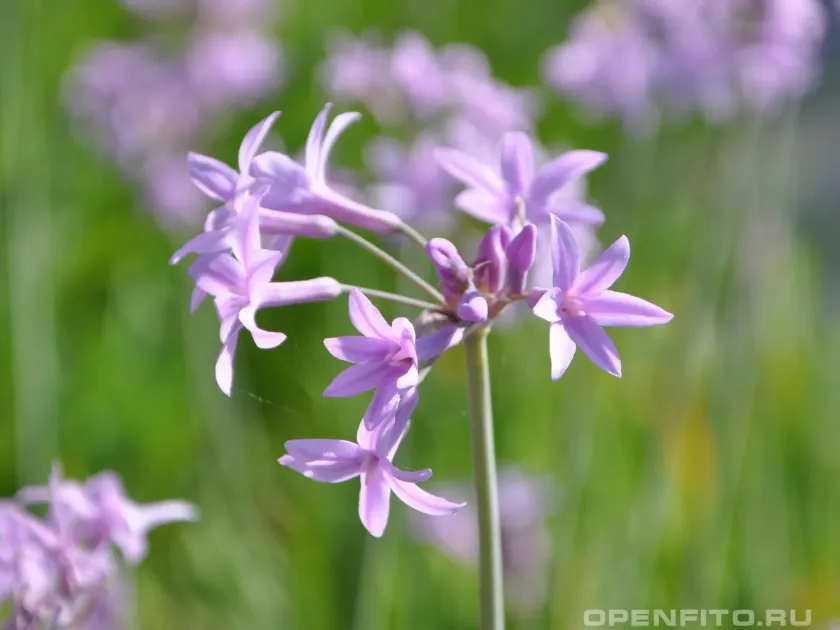
Description
Sowing dates
Sowing seeds of Tulbaghia hybrids is typically conducted in early spring once the threat of frost has passed. Starting seeds in trays or greenhouse containers six to eight weeks before the last expected frost date helps establish healthy seedlings.
Use a well-draining seed starting mix to ensure the delicate root systems do not succumb to moisture-related issues. The seeds should be lightly covered with fine soil, as they require consistent moisture and moderate light to germinate efficiently.
Maintain an ambient temperature between 18 and 22 degrees Celsius to encourage strong growth. Once the seedlings develop their first true leaves, they should be hardened off gradually over a two-week period to prepare them for life in the outdoor garden.
Vegetative propagation is also highly effective for Tulbaghia hybrids. Dividing mature clumps in late autumn or early spring ensures that the new plants retain the specific characteristics and vigor of the parent plant, facilitating faster establishment.
Spacing is essential for the long-term health of the planting bed. Ensure that individual plants are spaced at least 30 to 40 centimeters apart, allowing for sufficient airflow between the foliage to prevent the development of fungal pathogens.
Growing requirements
Tulbaghia hybrids, members of the Amaryllidaceae family, thrive in full sun exposure, which is necessary to promote vigorous leaf growth and prolonged blooming periods. In regions with intense afternoon heat, some light shade can be beneficial to prevent scorching.
The soil requirements are relatively straightforward, focusing on excellent drainage. A sandy loam or a slightly gritty soil composition is ideal, as the plant is highly sensitive to waterlogged conditions, which frequently result in crown and root rot.
Watering practices should focus on consistency. While the plants are drought-tolerant once established, they perform best with regular watering during the peak growing season to support continuous flower production throughout the summer months.
Fertilization should be handled with care, as excessive nitrogen often leads to excessive leaf growth at the expense of flower development. Apply a balanced, slow-release fertilizer in early spring to support the initial growth cycle of the season.
Winter protection is crucial in climates where temperatures drop below freezing. Applying a thick layer of organic mulch around the base of the plant or moving container-grown specimens to a sheltered area will protect the roots from deep freezing.
Main diseases and pests
Fungal issues, primarily root rot, remain the most significant threat to Tulbaghia hybrids. Prevention involves strict adherence to proper watering schedules and ensuring that the soil medium does not remain saturated for extended periods, especially during humid weather.
Spider mites are common pests that tend to infest the plants during periods of prolonged dryness. Regular inspection of the undersides of the leaves is advised, and using insecticidal soap or specific acaricides can effectively manage any detected outbreaks.
Aphids can cause significant damage to emerging flower stalks, leading to stunted growth and reduced aesthetic value. Integrated pest management, including the use of beneficial insects or natural horticultural oils, is recommended for sustainable control.
Slugs and snails may occasionally feed on the lush, succulent foliage during cool, damp spring weather. Implementing physical barriers like copper tape or crushed eggshells around the base of the plants can help deter these mollusks from reaching the leaves.
Occasionally, mosaic viruses may occur, showing as leaf mottling or yellow streaks. There is no cure for viral infections in this species, so affected plants must be removed and discarded immediately to prevent transmission to the rest of the garden bed.