
Urceolina hybrid
Urceolina hybrids
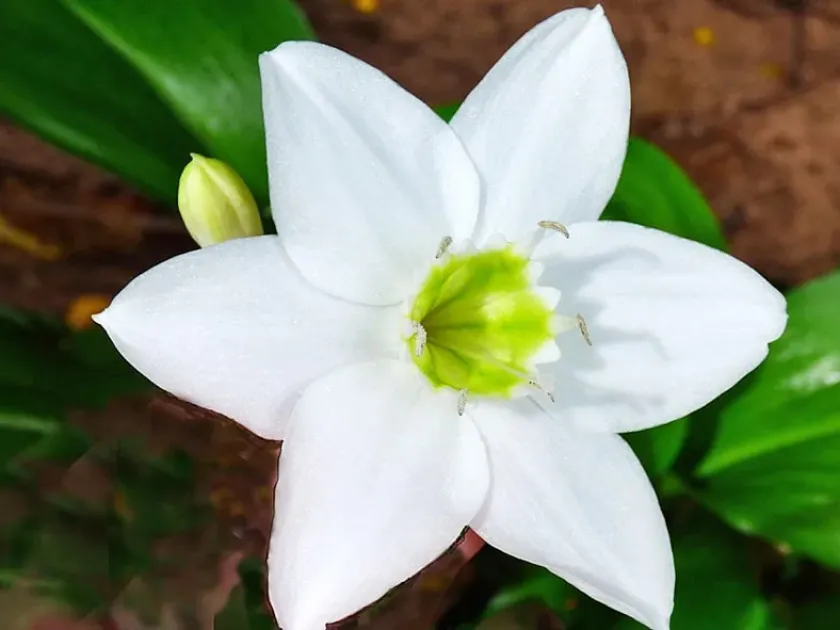
Description
Growing requirements
Urceolina hybrid belongs to the Amaryllidaceae family and is recognized for its unique, urn-shaped drooping flowers. This plant is a perennial bulb that provides a distinctive aesthetic appeal in botanical collections.
Originating from the mountainous regions of the Andes in South America, this culture requires a climate that mimics its native habitat, specifically avoiding extreme heat and intense, direct sunlight.
Successful cultivation depends on a well-draining, nutrient-rich potting medium. A mix consisting of leaf mold, peat, and coarse sand or perlite ensures the aeration required by the bulbous roots.
Watering requirements vary significantly throughout the year. During the active growing season, plants need consistent moisture, whereas the dormancy phase requires an almost dry substrate to prevent rotting.
Proper airflow is essential for the health of the plant. Crowding should be avoided to minimize the risk of humidity-related issues, especially during the humid periods of the year.
Main diseases and pests
Bulb rot, often caused by pathogens such as Stagonospora, remains the primary threat to Urceolina. This is usually triggered by waterlogging the soil during the winter dormant season.
Insect pests, including mealybugs and scale insects, frequently target the foliage. These pests can rapidly weaken the plant by feeding on its sap, leading to stunted growth.
Spider mites are common in indoor environments with low humidity, necessitating regular misting or humidity control to prevent outbreaks on the underside of the leaves.
Management involves periodic inspection of the bulbs and leaves. If an infestation occurs, horticultural oils or appropriate systemic pesticides should be applied promptly.
Preventative measures include maintaining optimal drainage and ensuring that the pots are not left sitting in standing water after irrigation.