
Urceolina korsakoffii
Urceolina korsakoffii
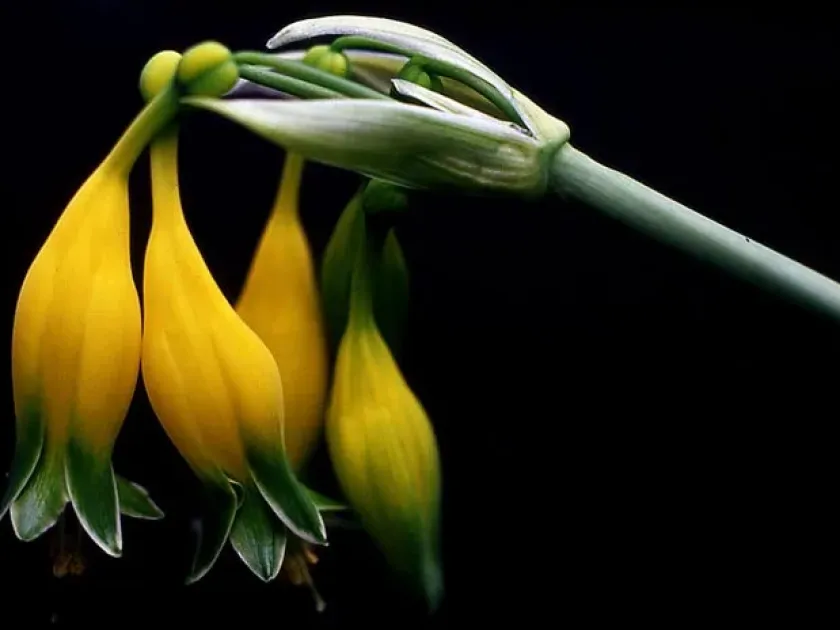
Description
Growing requirements
Urceolina korsakoffii is a rare bulbous species belonging to the Amaryllidaceae family. It is native to specific South American habitats, where it thrives in humid, shaded environments with high levels of organic matter in the soil substrate.
The successful cultivation of this species requires a specific microclimate. Temperature stability is paramount, with the ideal range being between 18 and 24 degrees Celsius. Rapid fluctuations can lead to the dormancy of the plant or physiological stress.
Soil structure is critical for this species. It requires a well-draining, porous mixture composed of leaf mold, peat, and coarse perlite. Waterlogging must be strictly avoided to prevent bulb rot, which is the most common cause of plant mortality.
Lighting should be bright but indirect. Since the plant is naturally accustomed to the lower strata of forests, direct intense light can scorch the foliage and hinder the development of the flowering stalk.
Agricultural management requires a distinct seasonal approach. During the active growing phase, regular fertilization with a balanced, low-nitrogen formula is recommended, followed by a controlled dry resting period to encourage future blooming.
Main diseases and pests
The most significant pathological threat to Urceolina korsakoffii is basal rot, typically triggered by an excessive moisture level in the substrate. Once the bulb tissues are infected, the plant is difficult to save without professional intervention.
Common pests include spider mites and mealybugs, which thrive in low-humidity environments. These pests primarily attack the soft tissues of the leaves, resulting in stunted growth and the potential transmission of secondary viral infections.
Effective management involves consistent sanitation practices. Removing dead foliage and ensuring proper spacing between plants prevents the accumulation of humidity and limits the spread of airborne spores or crawling insect pests.
Integrated pest management includes the use of neem oil or targeted systemic insecticides. Application should always occur during the early morning hours to allow for adequate leaf drying and to minimize the risk of phytotoxicity.
Overall, maintaining plant health requires diligent observation. Detecting early signs of infestation allows for localized treatment, protecting the rest of the collection and ensuring the longevity of the plant specimen.