
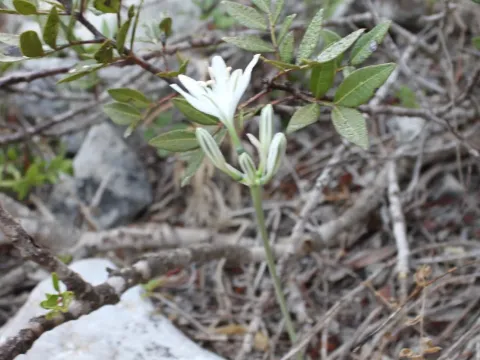
Vagaria
Vagaria
Vagaria is a genus of bulbous perennial plants belonging to the Amaryllidaceae family. These plants are native to the Eastern Mediterranean region, with distribution primarily covering areas of Syria, Lebanon, and parts of Israel, where they thrive in specific microclimates.
What the section contains

Vagaria
Botanically, the plant is characterized by a fleshy bulb that acts as a storage organ during the dormancy phase. The leaves are typically basal, narrow, and strap-like, emerging before or during the flowering period, which features clusters of white, elegant blossoms.
The cultivation of Vagaria requires well-draining, gritty, or sandy soils to prevent rot, which is a common issue for bulbous plants in this family. A neutral to slightly alkaline soil pH is preferred, mimicking the rocky conditions of their natural Mediterranean habitat.
Vagaria demands significant solar exposure to thrive and produce healthy foliage and flowers. Because these plants are not highly frost-hardy, they are mostly maintained in controlled environments such as greenhouses or as indoor potted plants in temperate climates.
Regarding its utility, Vagaria is primarily utilized in ornamental horticulture by plant enthusiasts and specialized collectors. Its aesthetic value is derived from its unique floral structure, making it a sought-after specimen for conservatory displays or specialized alpine gardens.