
Urceolina moorei
Urceolina moorei
Description
Growing requirements
Urceolina moorei is a distinctive bulbous perennial plant belonging to the Amaryllidaceae family. Native to the mountainous regions of Peru, this species thrives in humid, shaded forest environments, which dictates its specific needs when brought into cultivation as an exotic ornamental crop.
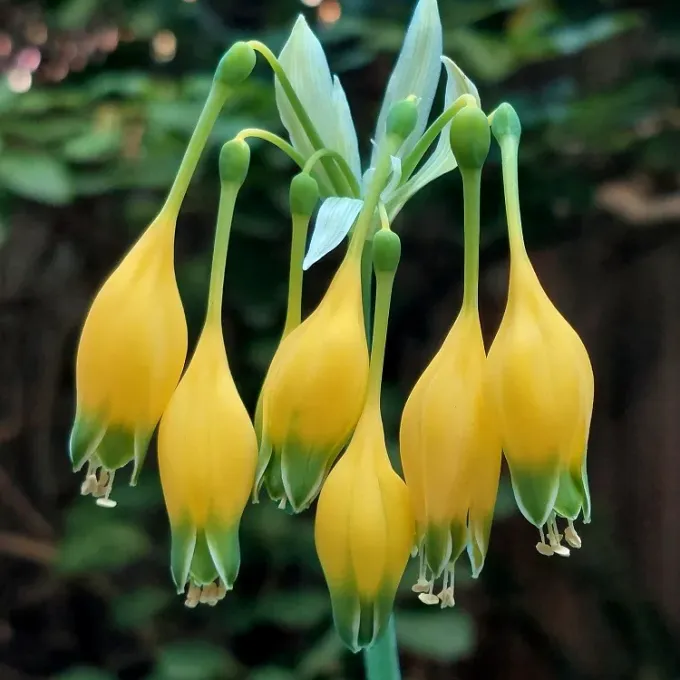
The botanical structure consists of a robust bulb producing broad, lanceolate leaves with prominent venation. Its most significant feature is the inflorescence, which comprises umbels of pendulous, bell-shaped flowers characterized by unique yellow-green hues and vibrant green margins, making it highly prized by collectors.
Cultivation requires maintaining temperatures between 18 and 24 degrees Celsius during the active growth period. Proper agrotechnology must include a cooling-off period during winter, where the temperature is lowered to 12–15 degrees and watering is significantly restricted to initiate the flowering phase.
The growing medium must be highly porous to ensure efficient drainage, preventing water stagnation that could rot the bulbs. A professional substrate mix typically includes peat, loam, leaf mold, and perlite or coarse sand to mimic the loose, organic-rich forest soils of its natural habitat.
Urceolina moorei prefers bright, indirect light; direct sunlight can easily scorch the foliage and degrade plant vigor. Consistency in humidity is essential, as the plant reacts negatively to both extreme dryness and waterlogged conditions, requiring a nuanced approach to irrigation.
Main diseases and pests
The most significant threat to Urceolina moorei is bulb rot caused by fungal pathogens when the soil stays excessively wet. Maintaining a strict irrigation schedule and ensuring the pot has adequate drainage holes are the primary defensive measures against soil-borne diseases.
Common indoor pests, specifically scale insects and spider mites, can cause severe stress to the plant. Mites are particularly problematic in low-humidity environments, necessitating frequent misting or the use of mild horticultural oils to maintain plant cleanliness.
Mealybugs may settle in the leaf axils, drawing sap and weakening the plant's overall immunity. Regular inspections of the foliage, especially the underside, allow for the early detection and manual removal of these pests before they reach critical population levels.
Physiological decline often occurs if the winter dormancy period is ignored or incorrectly managed. A weakened plant is significantly more susceptible to opportunistic bacteria, which can compromise the structural integrity of the bulb and lead to total loss.
Best practices for disease prevention include using sterile soil components and cleaning gardening tools between uses. With attentive monitoring and adherence to its specific environmental requirements, Urceolina moorei remains a resilient and long-lived addition to any botanical collection.