
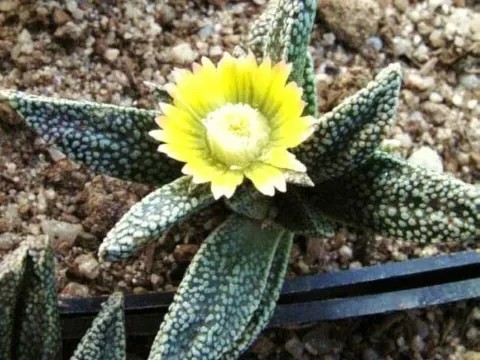
Nananthus
Nananthus
The propagation of Nananthus is primarily achieved through seeds, which are best sown during the early spring when light levels increase.
What the section contains


Nananthus
A coarse, well-draining mineral-based substrate is essential for seed germination to prevent waterlogging and seedling damping-off.
Seeds should be pressed gently into the surface of the growing medium and covered with a very thin layer of fine sand or grit.
Maintaining a consistent environment with temperatures between 20°C and 25°C will significantly improve the success rate of germination.
Once seedlings have developed their first true leaves, they should be gradually acclimated to lower humidity levels to harden them off.
Nananthus belongs to the family Aizoaceae and is characterized by its compact succulent growth habit and thickened, moisture-storing root systems.
This genus originates from the arid regions of Southern Africa, having evolved specialized mechanisms to survive long periods of extreme drought.
Successful cultivation requires a gritty, highly porous soil mix that ensures rapid drainage to mimic the plant's native rocky habitat.
These plants require high light intensity and will thrive best when placed in sunny, well-ventilated locations to maintain their characteristic form.
Watering must be performed sparingly during the active growth phase, allowing the soil to dry out completely between sessions to ensure health.
The most significant threat to Nananthus is overwatering, which quickly leads to catastrophic rot in the succulent leaves and underground roots.
Mealybugs are the most common pest, often colonizing the crevices between leaves where they are difficult to reach with standard treatments.
Spider mites can occasionally infest the plants if the ambient environment remains too dry for extended periods without adequate air circulation.
Fungal pathogens may develop if stagnant air and high moisture levels are combined, especially during the dormant winter period.
Effective management includes maintaining a dry, airy environment and using systemic insecticides specifically formulated for succulent plant species.