
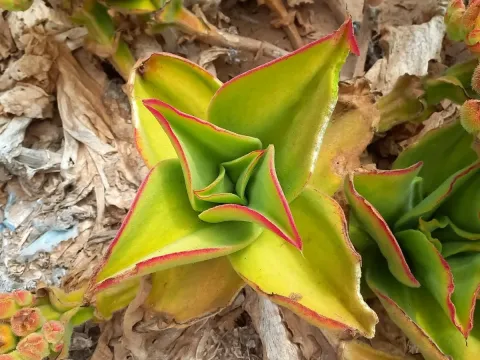
Opophytum
Opophytum
Opophytum is a genus of succulent plants within the Aizoaceae family, native to the arid environments of Southern Africa. Successful cultivation begins with the precise timing of sowing, which should ideally take place when temperatures are consistently warm.
What the section contains

Opophytum
The seeds require temperatures between 20°C and 25°C to germinate efficiently. It is recommended to use a sterile, sandy substrate that mimics their natural rocky or desert habitat to prevent seedling mortality.
Because the seeds are extremely small, they should be sown on the surface of the growing medium. Pressing them lightly into the substrate ensures good contact without burying them too deep, as light often aids the germination process.
Maintaining high humidity during the initial germination phase is essential. Covering the seed trays with a clear lid or plastic film creates a greenhouse effect, but daily ventilation is necessary to prevent fungal outbreaks.
Transplanting seedlings should be done with extreme care. The root systems are delicate, and any disturbance can set back the growth of these slow-growing succulent specimens significantly.
Opophytum plants are highly adapted to intense light conditions. They require full sun exposure to maintain their compact growth habit and vibrant coloration; insufficient light leads to etiolated, weak stems.
The growing medium must offer exceptional drainage. A mix of coarse sand, perlite, and a small portion of potting soil is ideal. Poor drainage is the most common cause of root rot in this genus.
Watering must be strictly regulated based on the plant's seasonal cycle. During the active growing season, water sparingly, allowing the substrate to dry out completely between sessions to mimic desert conditions.
A cool, dry dormancy period is necessary during the winter months. Reducing temperatures to around 10°C to 15°C helps the plant consolidate energy, which is vital for its long-term survival and potential flowering.
Adequate air circulation is mandatory, especially in a greenhouse or indoor environment. Stagnant air combined with moisture creates a perfect breeding ground for various pathogens that affect succulents.
Fungal rots, specifically those affecting the roots and the base of the stem, represent the primary threat to Opophytum. These are almost always caused by overwatering or insufficient soil drainage.
Mealybugs are the most common pests, often nesting in the crevices between succulent leaves. They are difficult to eradicate due to the plant's susceptibility to chemical sprays, so manual removal with alcohol-dipped swabs is often safer.
Spider mites may occasionally infest the plants if the air is kept too hot and dry for prolonged periods. Increasing air circulation or using mild systemic acaricides can help manage these populations.
Nitrogen-heavy fertilizers should be avoided as they promote lush, soft growth that is more prone to pest attacks and mechanical damage. Instead, use balanced fertilizers designed specifically for succulents at low concentrations.
Prevention remains the most effective management strategy. Maintaining strict hygiene, using only sterilized soil, and monitoring for signs of stress are key to preventing devastating plant losses.