
Neohenricia
Neohenricia
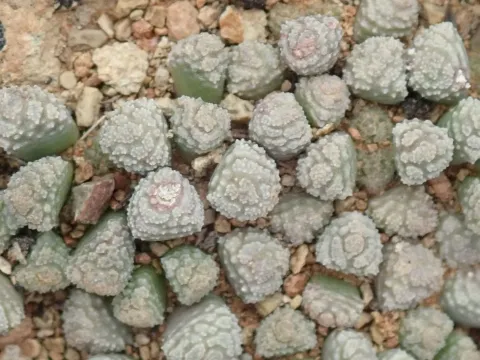
Neohenricia is a genus of small, clustering succulent plants belonging to the Aizoaceae family. Native to the arid landscapes of South Africa, these plants are highly adapted to survive in extreme environments with minimal water availability. In cultivation, they are prized for their compact growth habit and unique texture.
What the section contains

Neohenricia
Botanically, Neohenricia consists of very short stems and fleshy, cylindrical leaves that form dense, ground-hugging mats. The plants are slow-growing and feature delicate, often fragrant flowers that typically open in the evening. The root system is relatively shallow, which necessitates the use of wide, shallow pots rather than deep ones.
The primary cultural requirement for Neohenricia is access to intense, direct sunlight. Without sufficient light, the plant will become etiolated and lose its compact, rock-like appearance. A temperature range of 20 to 25 degrees Celsius during the growing season is ideal, provided there is adequate airflow around the plants.
The soil must be extremely well-draining, consisting primarily of mineral components such as coarse sand, crushed gravel, and small amounts of organic matter. A standard cactus mix is often too organic, so amending it with extra inorganic material is essential for success. Poor drainage is the most common cause of plant failure in this species.
Watering should be approached with caution, allowing the substrate to dry out completely between applications. During the summer, deep watering followed by a drying period is beneficial, but the frequency should be strictly reduced during the winter dormant season to prevent rot. Humidity must be kept low at all times.
The most significant threat to Neohenricia is the development of fungal and bacterial rots caused by overwatering or humid, stagnant air. Once rot takes hold at the base of the stems, it can spread rapidly throughout the entire clump, often making the plant impossible to save.
Pests such as mealybugs can inhabit the crevices between the succulent leaves, causing damage to the soft tissues. Regular inspection of the plant base and foliage is recommended. Using systematic insecticides or alcohol-based treatments can help manage localized infestations before they compromise the health of the plant.