
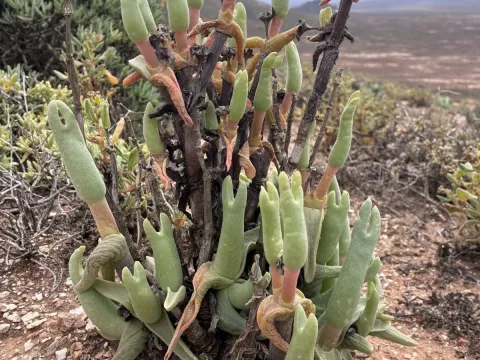
Mitrophyllum
Mitrophyllum
Mitrophyllum is a genus of succulent plants belonging to the Aizoaceae family. Native to the arid regions of Southern Africa, these plants are highly adapted to harsh environments characterized by prolonged droughts and high heat.
What the section contains


Mitrophyllum
The plant exhibits a distinct seasonal growth pattern, which is heavily dictated by its native cycle of wet and dry periods. Successful cultivation requires a deep understanding of these rhythms, ensuring that growth is supported during the active season and restricted during the dormant phase.
For optimal health, Mitrophyllum requires a specialized substrate consisting of mineral components. A mix of pumice, coarse sand, and a minimal amount of organic matter ensures excellent drainage and prevents the roots from sitting in stagnant moisture.
Light intensity is perhaps the most critical environmental factor for this genus. These plants thrive in high-light conditions and require plenty of sunshine to maintain their structure, color, and biological integrity throughout the growing season.
Temperature management should follow seasonal fluctuations. Providing a noticeable temperature drop during the winter months mimics their native habitat and is often necessary to stimulate the formation of inflorescences when the growing season resumes.
Fungal rot is the most common cause of plant failure in Mitrophyllum cultivation. Overwatering, especially during the dormant season, creates a perfect breeding ground for pathogenic fungi that attack the root system and the succulent base.
Pest management should focus on early detection of mealybugs. These small insects tend to settle in the crevices between leaves, where they are protected and difficult to spot until an infestation becomes severe and weakens the plant.
Spider mites can also be a nuisance in environments with poor ventilation and consistently dry air. Regularly inspecting the plants and using systemic or topical treatments can prevent these pests from spreading across a succulent collection.
Physiological disorders may manifest as etiolation or leaf drop if lighting conditions are not met. While these are not strictly diseases, they significantly decrease the plant's resistance to other biological threats and environmental stress.
Good hygiene practices, such as removing dead leaf material from the soil surface, are essential. Decomposing plant matter can harbor pathogens and pests, potentially compromising the overall health of the specimen in an indoor collection.