
Micropterum
Micropterum
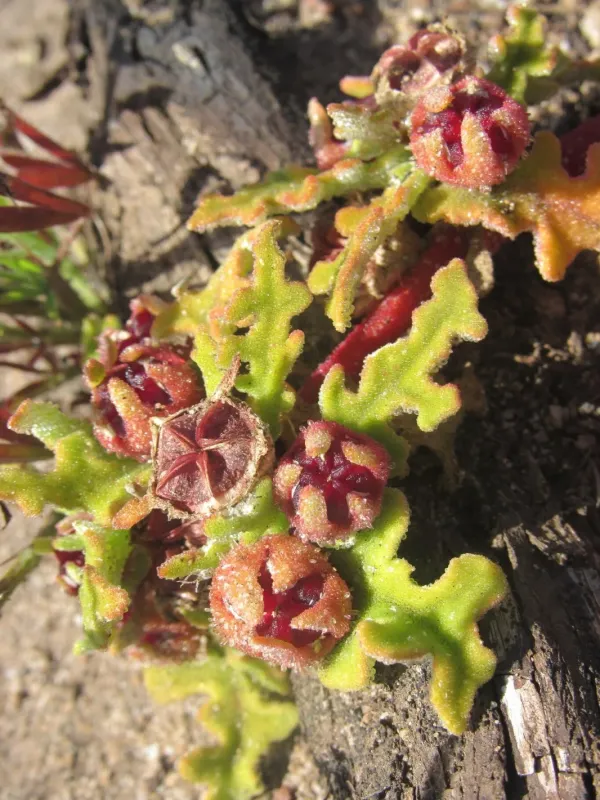
Description
Sowing dates
Sowing Micropterum is ideally timed for the beginning of the spring season when temperatures are consistently warm. Successful germination requires a specific substrate composition that balances aeration and stability.
Seeds should be sown on a well-drained, sandy-based medium, ensuring they are only lightly covered to facilitate light exposure. Maintaining a stable temperature is critical during the initial germination phase.
Once seedlings emerge, irrigation should be carefully managed to prevent excessive humidity. It is essential to allow the surface layer of the substrate to dry between watering cycles to foster a healthy root system.
When starting indoors, providing adequate artificial lighting is beneficial to prevent etiolation. Seedlings are delicate, so avoid overcrowding in propagation trays to maintain sufficient air circulation.
Transplanting seedlings to their final location should be done with care, ideally using a transfer method to minimize root disturbance. Proper spacing is determined by the intended final density and the specific application of the crop.
Growing requirements
As a member of the Aizoaceae family, Micropterum thrives in arid environments. This crop requires full sunlight exposure to maintain its compact growth habit and natural physiological functions throughout the day.
The soil must have excellent drainage, as the plant is highly sensitive to waterlogging. Sandy, rocky, or loamy-sandy soils with a neutral pH provide the most favorable conditions for optimal development.
Temperature fluctuations are generally tolerated, but protection from high humidity and cold, stagnant air is essential. The plant exhibits high heat resistance, making it suitable for dry and warm climates.
Nutritional needs are modest; excessive nitrogen fertilization should be avoided as it leads to weak tissue development. Specialized fertilizers for succulents are recommended during the peak growth phases.
Proper ventilation is a key requirement for long-term health, as it helps regulate the microclimate around the foliage. In greenhouse settings, keeping the air movement consistent prevents physiological stress.
Main diseases and pests
The primary threat to Micropterum is fungal disease, often triggered by excessive moisture or insufficient drainage. Root rot is the most common condition leading to the rapid decline of plant populations.
Pests such as mealybugs and spider mites can infest the foliage, particularly in environments with low airflow. Regular monitoring of the growing tips is crucial for the early detection and management of infestations.
Aphids may occasionally appear if the crop is stressed by improper environmental conditions. Using targeted, low-toxicity insecticides is effective, provided the application protocols are strictly followed.
Preventative measures include maintaining strict hygiene in the cultivation area and ensuring proper distance between plants. Eliminating standing water around the base of the stems is the most effective prevention strategy.
Snails and slugs can damage the epidermis of the plant in outdoor settings, especially after rainy intervals. Physical barriers or eco-friendly deterrents should be used to protect the crops from these pests.
Harvesting
Harvesting for seed production occurs once the capsules have fully matured and naturally dried. Careful inspection is required to prevent pre-harvest shattering and the loss of viable seeds.
If harvesting parts of the plant for other uses, clean and sterile cutting tools must be used to ensure rapid healing of the incision sites. This practice minimizes the risk of opportunistic pathogens infecting the wounds.
Post-harvest processing involves sorting the material to remove debris and allowing it to air-dry in a cool, shaded area. Moisture must be avoided at all stages of storage to prevent the development of mold.
Seed storage requires sealed containers kept in a cool, dark environment to maintain viability. With correct storage parameters, the seed material can remain productive for several seasons.
Properly cleaned and dried material is the key to longevity. Always ensure the harvested product is free from soil contaminants to maintain the highest quality standards before processing or distribution.