
Mesembryanthemum theurkauffii
Mesembryanthemum theurkauffii
Description
Sowing dates
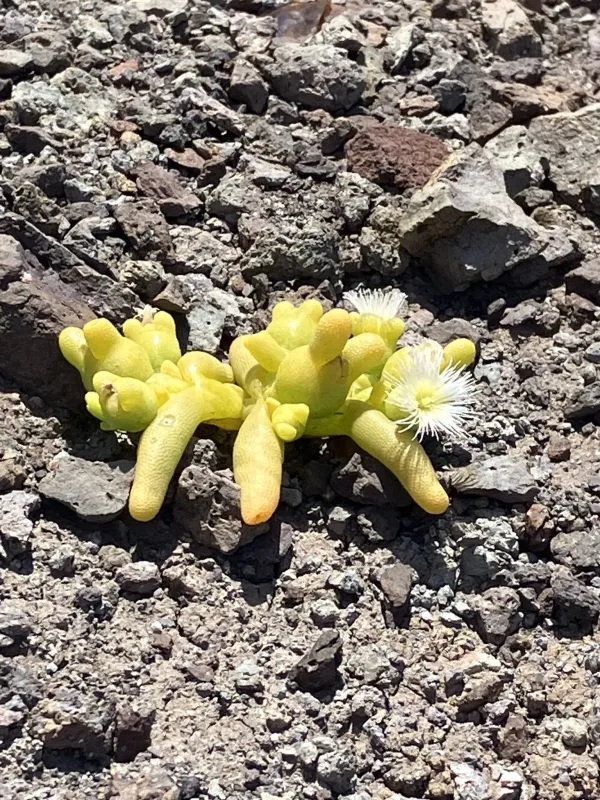
Mesembryanthemum theurkauffii is a resilient succulent species belonging to the Aizoaceae family. It is highly valued for its ability to thrive in harsh environments where other plants might fail to survive.
Sowing should take place in early spring when daylight hours start to increase significantly. This timing ensures that seedlings receive sufficient natural light to develop sturdy, compact growth structures.
Seeds are broadcast onto the surface of a porous, sandy growing medium. They should not be covered with soil, as light is a crucial trigger for their germination process.
Maintaining a temperature range of 20–25 degrees Celsius is essential for successful germination. Using a plastic cover helps keep moisture levels constant until the seedlings establish their initial root system.
Once the seedlings have matured, they should be gradually acclimated to lower humidity levels. Careful monitoring is necessary to prevent damping-off, a common issue during the initial developmental stages.
Growing requirements
This crop requires a well-drained substrate, typically composed of sand, perlite, and a small portion of organic matter. Excellent aeration of the root zone is the most critical factor for plant health.
Full sun exposure is mandatory for this species. In lower light conditions, the plant will lose its characteristic form, becoming elongated and less resistant to environmental stressors.
Climate preferences focus on arid conditions with low humidity. While it tolerates high heat, it must be protected from prolonged cold, damp winters which can lead to cellular damage and decay.
Watering requirements are minimal. During the active growing season, water should be applied only when the soil has completely dried out, following the deep-watering principle without leaving excess moisture.
The cultural success of Mesembryanthemum theurkauffii depends on simulating its natural desert-like habitat. Proper container drainage and airflow are vital for sustaining long-term growth.
Main diseases and pests
Root rot caused by overwatering is the primary threat to this plant. It is often exacerbated by poor soil drainage and low temperatures, which slow down the plant's metabolic functions.
Common pests include mealybugs and spider mites, particularly in indoor settings with low air circulation. These pests extract sap, causing the plant to weaken and lose its structural integrity.
Preventative measures center on maintaining a clean growing environment and ensuring proper spacing between individual plants to prevent the accumulation of moisture.
If an infestation occurs, targeted application of soft pesticides or insecticidal soaps is recommended. Always test treatments on a small part of the plant first to check for phytotoxicity.
Regular monitoring of leaf color and firmness allows for early intervention. Prompt removal of damaged tissue can often save the plant from broader infection or systemic failure.