
Pleiospilos
Pleiospilos N.E. Br.
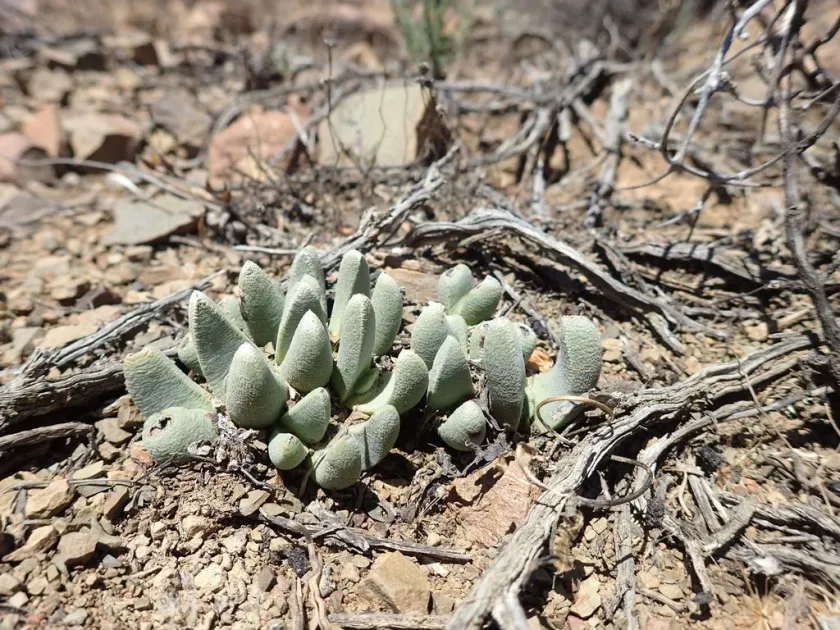
Description
Growing requirements
Pleiospilos (Pleiospilos N.E. Br.) is a genus of perennial succulent plants belonging to the family Aizoaceae. Originating from the arid regions of South Africa, these plants have evolved specific biological traits to thrive in environments with severe water scarcity and high solar radiation.
The morphology of Pleiospilos is characterized by thick, fleshy leaves that resemble stone fragments. This mimicry is a highly evolved strategy to avoid predation by desert fauna. The plant typically produces large, vibrant, daisy-like flowers during its peak growth season.
Cultivation requires a location with intense light exposure. In indoor conditions, south-facing windows or supplemental LED grow lights are necessary to maintain the plant's structural integrity and avoid etiolation.
The soil requirements focus heavily on porosity. A mix of 60% mineral components, such as pumice, coarse sand, or crushed volcanic rock, and 40% organic potting soil is ideal to ensure the rapid drainage of excess moisture.
Watering management is the most important agronomic aspect of Pleiospilos care. Water should be withheld during the winter dormancy period and applied sparingly during the growing season only when the substrate is completely dry and the leaves show slight signs of deflation.
Main diseases and pests
The primary threat to the health of Pleiospilos is root rot caused by stagnant moisture. Because the plant is highly sensitive to humidity, any excess water retention in the soil can trigger rapid tissue breakdown.
Mealybugs are the most common pests found on Pleiospilos. They tend to hide in the deep crevices between the succulent leaves, making visual inspection and mechanical removal quite difficult for the grower.
Spider mites can infest the plant, particularly if the ambient air is extremely dry for prolonged periods. These pests puncture the leaf epidermis, causing small, unsightly scars that remain on the leaves for years.
Fungal infections, such as Botrytis or various soil-borne pathogens, can occur if poor ventilation is combined with high temperatures, leading to the rapid decay of the succulent structure.
Effective management includes maintaining a strict sanitation routine, using preventative systemic fungicides if necessary, and ensuring that the plant environment provides adequate airflow at all times.