
Mesembryanthemum tortuosum
Mesembryanthemum tortuosum
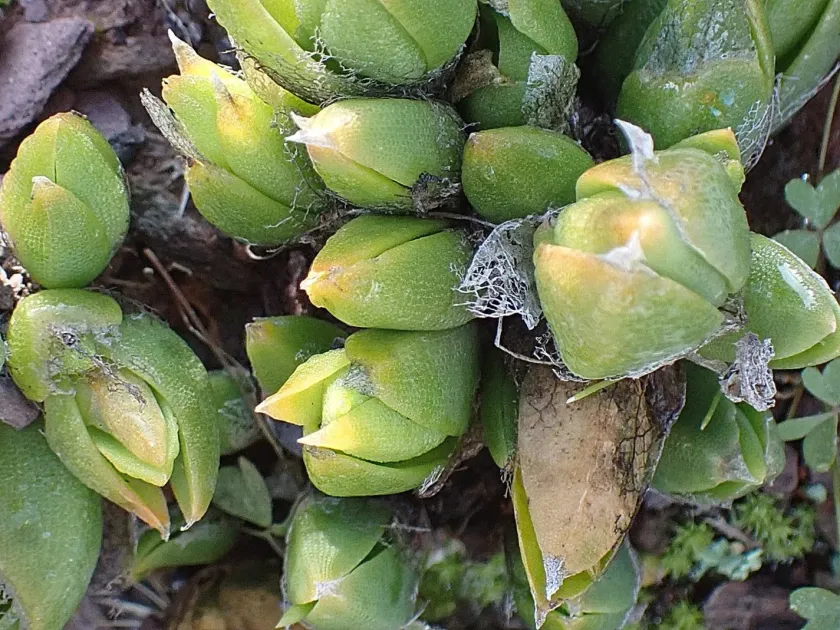
Description
Sowing dates
Mesembryanthemum tortuosum, a member of the Aizoaceae family, is typically propagated through seeds. Sowing should be carried out in a well-draining, sandy substrate during the early spring to ensure the seeds benefit from increasing daylight hours.
The seeds are exceptionally small, requiring a surface sowing method where they are lightly pressed into the growing medium rather than buried. Maintaining a consistent humidity level is crucial during the initial stages of germination.
Optimal germination occurs at temperatures between 18 and 22 degrees Celsius. Utilizing a propagation tray covered with a clear lid or plastic film helps to create a stable microclimate necessary for successful seedling emergence.
Once seedlings develop their first true leaves, they should be gradually acclimated to lower humidity levels to strengthen their tissues. Careful handling is required during this phase to avoid damaging the delicate, succulent structures.
Transplanting into final containers or open ground should only happen after the danger of frost has passed. Young plants require a period of hardening off to adjust to direct outdoor sunlight before permanent placement.
Growing requirements
As a true xerophyte originating from South Africa, this culture thrives in high-light environments. It requires significant direct sun exposure to maintain its compact form and stimulate healthy, robust vegetative growth.
The soil profile must be predominantly inorganic, consisting of gravel, coarse sand, and perlite. A free-draining substrate is mandatory, as this plant is extremely sensitive to waterlogging, which often results in rapid root failure.
Watering strategies should mimic the plant's native habitat, involving a soak-and-dry approach. During the active growing season, provide sufficient water only when the substrate is completely dry to the touch, and reduce watering during winter dormancy.
Temperature control is essential, as the plant prefers warm daytime conditions and cooler nights. It does not tolerate prolonged exposure to freezing temperatures, and cultivators must protect it from excessive frost or cold dampness.
Fertilization should be limited, using low-nitrogen formulations designed specifically for succulents. Over-fertilizing leads to excessive, weak growth that makes the plant more vulnerable to mechanical damage and pest infestations.
Main diseases and pests
Root rot is the most significant threat to Mesembryanthemum tortuosum, usually caused by overwatering or poor drainage. Once internal rot begins, the plant can deteriorate very quickly, making early detection vital for recovery.
Mealybugs are common pests that tend to cluster in the joints between leaves and stems. Their feeding activity causes stunted growth and the potential for secondary fungal infections to colonize the damaged plant tissue.
Spider mites can become problematic in hot, dry environments with stagnant air circulation. These pests often go unnoticed until visible webbing or discolored, stippled leaf surfaces appear, requiring immediate intervention with insecticidal treatments.
Aphids occasionally target new, soft growth during the spring. While generally manageable, they can weaken the plant and serve as vectors for various pathogens if populations are allowed to grow unchecked.
Preventative care is the best defense, focusing on providing adequate air circulation and keeping the plant dry during cold weather. Regular inspections are necessary to identify any signs of distress before they escalate into larger outbreaks.