
Namaquanthus
Namaquanthus
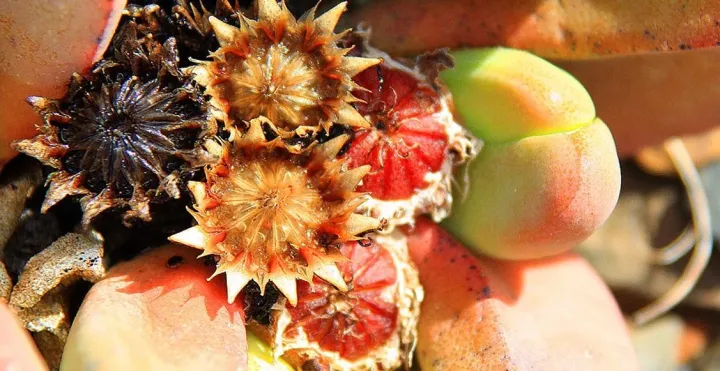
Description
Growing requirements
Namaquanthus is a genus of succulent plants within the Aizoaceae family. It is native to the arid regions of South Africa, specifically the Namaqualand area, where it has adapted to extreme environmental conditions.
The plant features fleshy, triangular leaves that grow in a compact, clump-forming structure. This morphology allows the plant to efficiently store moisture, making it highly drought-resistant and suitable for xeriscaping.
Successful cultivation requires a highly porous, gritty soil mix. A blend of coarse sand, perlite, and a small amount of inorganic substrate is ideal to ensure that water drains rapidly and never accumulates around the roots.
Light requirements are very high, as the plant needs full sun to maintain its natural shape. Insufficient light exposure can cause the plant to stretch, losing its characteristic dense appearance and becoming vulnerable to structural weakness.
Temperature management should follow seasonal cycles, with warmth provided during the growing season and a cool, dry resting period during winter. Maintaining good airflow is essential to mimic its natural desert habitat and prevent moisture-related issues.
Main diseases and pests
Root rot is the most significant threat to Namaquanthus, primarily caused by overwatering or soil that retains too much moisture. Once the roots are compromised, the plant often decays rapidly due to fungal infections.
Mealybugs are a frequent pest that targets the crevices between leaves. Due to the tight arrangement of the foliage, these insects can be difficult to eliminate, often requiring systemic insecticides to ensure total eradication.
Spider mites can also cause damage, particularly in dry and poorly ventilated conditions. They pierce the surface cells of the leaves, resulting in discolored patches and stunted growth if the infestation is not managed early.
To prevent these issues, growers should practice strict watering discipline, allowing the substrate to dry out completely between applications. Careful inspection of the leaf axils is recommended as part of routine maintenance.
Choosing the right location for the plant is key to its health. Providing bright, indirect or direct sunlight, combined with moderate humidity, reduces the likelihood of pests and diseases associated with stagnant conditions.