
Mesembryanthemum nodiflorum
Mesembryanthemum nodiflorum
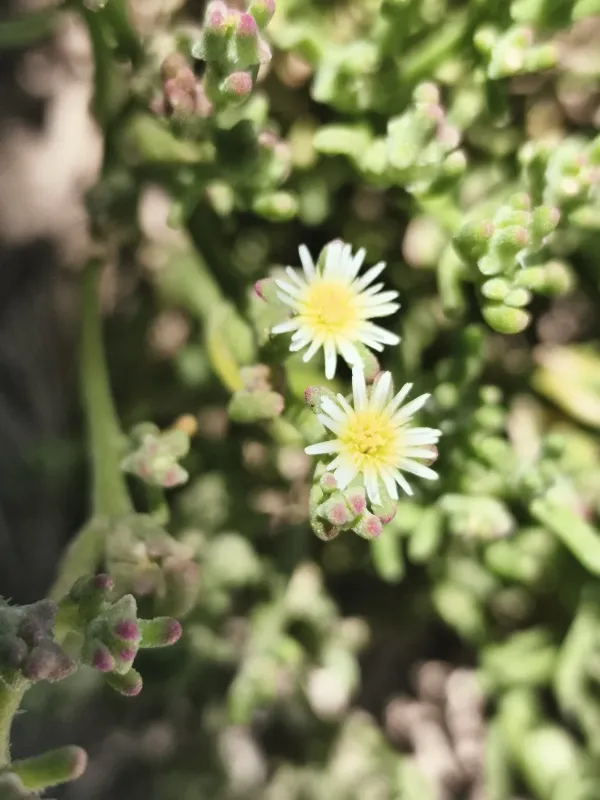
Description
Sowing dates
Mesembryanthemum nodiflorum is an annual succulent that completes its life cycle within one growing season. The optimal time for sowing seeds in the field is during the spring months, once soil temperatures have consistently reached 15–20 degrees Celsius.
The seeds are small and photoblastic, meaning they require light for successful germination. Therefore, they should be surface-sown or covered with a very thin layer of substrate, ensuring consistent soil moisture until the emergence of seedlings.
Commercial production often involves row sowing, which provides adequate spacing for each plant to develop its succulent foliage. Proper plant spacing is essential to reduce competition for nutrients and solar radiation.
In regions with cooler, shorter growing seasons, starting seeds in a controlled environment or greenhouse is recommended. This allows for stronger plant establishment before transplanting into the field after the danger of frost has passed.
Early-season weed management is crucial for the success of the crop. Even though the plant is resilient, it requires a clean, weed-free environment during the first few weeks of growth to ensure healthy development.
Growing requirements
Belonging to the Aizoaceae family, this species is a true halophyte. It possesses unique physiological adaptations that allow it to thrive in saline soils where traditional crops would fail to grow or develop properly.
The plant requires full sun exposure to maintain its metabolic activity and succulent growth pattern. It performs best in sandy or loamy soils with excellent drainage, as waterlogged conditions can lead to root decay and physiological stress.
Mesembryanthemum nodiflorum is highly drought-tolerant, utilizing its thick, water-storing leaves to survive periods of limited rainfall. While it can handle moisture stress, consistent light irrigation during the vegetative stage helps maximize biomass.
Soil nutrient requirements are generally low, as the plant is adapted to nutrient-poor, saline environments. Over-fertilization, especially with nitrogen, can negatively impact the plant's ability to tolerate salt and lead to excessively soft growth.
Good ventilation is essential, particularly in high-density plantings. The succulent nature of the plant makes it susceptible to fungal issues if airflow is restricted, so maintaining proper row distance is a standard agronomic practice.
Yield
The crop yield for this species is measured by the total amount of green biomass harvested. This biomass serves various purposes, from fodder research to the extraction of specialized compounds found in the leaves.
Yield performance is heavily influenced by solar radiation and the mineral content of the soil. Interestingly, moderate soil salinity often enhances the plant's ability to maintain its salt-balancing metabolic pathways, potentially increasing biomass quality.
Proper harvest timing is key to maximizing yield. Harvesting at the peak of vegetative growth, before the plant allocates too much energy into seed production, ensures the highest quality of succulent plant matter.
High-density planting, while potentially increasing yield, must be balanced against the risk of diseases. Agronomists recommend monitoring field conditions closely to find the optimal balance between plant population and biomass quality.
Research suggests that with optimized irrigation and controlled salinity levels, Mesembryanthemum nodiflorum can serve as a highly productive crop for marginal land reclamation, adding economic value to otherwise unused fields.
Main diseases and pests
The most common pests affecting this crop include sucking insects like aphids and spider mites. These pests thrive in dry conditions and can cause significant damage to the succulent leaves by extracting fluids.
Fungal pathogens, particularly root rot, are a major threat if soil drainage is compromised. These infections usually occur in conditions of stagnant water or high humidity, highlighting the need for proper site management.
Integrated Pest Management (IPM) strategies are recommended. This includes biological controls and careful monitoring of pest populations to minimize the need for chemical applications, which could affect the biomass quality.
Preventive cultural practices, such as choosing well-draining fields and maintaining appropriate plant spacing, remain the most effective methods for managing threats to the crop's health.
- Regular inspection for pest colonies on the underside of leaves.
- Implementation of a strict irrigation schedule to prevent waterlogging.
- Prompt removal and disposal of infected plant material to stop disease spread.
Harvesting
Harvesting is typically done when the plants have reached their maximum vegetative volume but before they transition into the flowering and seed-setting stage. This ensures the leaves remain succulent and nutrient-dense.
Mechanical harvesting is feasible using modified sickle-bar mowers. Because the plant tissue is composed of a high percentage of water, harvested material is prone to rapid moisture loss or spoilage, requiring prompt processing.
If seeds are the intended output, harvest should be delayed until the seed capsules are dry and brown. The seeds are collected once the plant has begun to senesce and the capsules naturally open or become brittle.
Post-harvest handling is critical due to the high water content of the plant tissues. Drying processes must be efficient to prevent rotting, and storage conditions must be dry and cool to maintain seed viability.
Proper logistical planning for immediate transport from the field to a processing facility is necessary to maintain the integrity of the harvested biomass, ensuring that the crop's unique properties are preserved.