
Mitrophyllum mitratum
Mitrophyllum mitratum
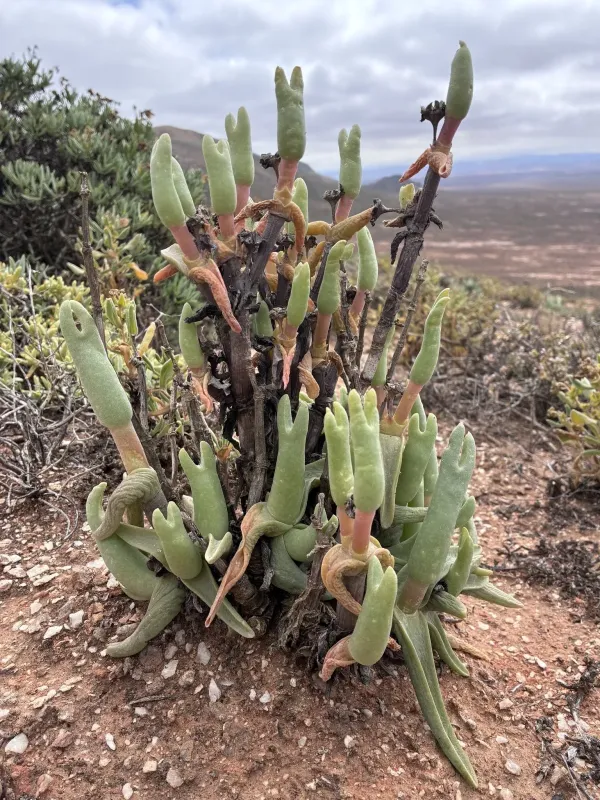
Description
Sowing dates
Mitrophyllum mitratum is propagated primarily through seeds, which require specific conditions to break dormancy and ensure high germination rates.
Sowing should be performed during the early spring months to maximize the beneficial effects of increasing light intensity for seedling development.
The planting medium must be highly inorganic, consisting mostly of coarse sand, pumice, and perlite to provide the necessary drainage for delicate seedlings.
Seeds should be scattered on the surface and pressed lightly without burying them deep, as they require sufficient light exposure to sprout effectively.
Maintaining a constant temperature of 20–25 degrees Celsius and preventing extreme moisture fluctuations are crucial steps for successful establishment.
Growing requirements
As a native to the arid regions of South Africa, this culture requires maximum direct sunlight throughout the year to maintain its compact form.
The substrate must be extremely porous and low in organic matter to mimic the natural rocky habitats where this succulent species originates.
Watering must be strictly managed; it should be allowed only during the growing season, while the summer dormancy period requires complete dryness.
Excellent air circulation is a fundamental requirement to prevent heat buildup and fungal infections within the dense leaf structures of the plant.
The plant demonstrates a unique growth cycle, often referred to as "mitrate" leaf development, which requires careful observation to identify the start of growth.
Main diseases and pests
Root rot is the most significant threat to Mitrophyllum mitratum, usually caused by overwatering or soil mixes that retain water for too long.
Mealybugs are the primary pest concern, as they often hide deep within the crevices of the succulent leaves, making them difficult to detect early.
Spider mites can also become problematic if the surrounding environment becomes too dry and stagnant, damaging the epidermal layer of the plant.
Fungal pathogens can spread rapidly if moisture is trapped on the leaf surface, leading to localized spotting and eventually total tissue collapse.
Integrated pest management, including regular inspection and the use of specialized systemic pesticides, is essential for maintaining a healthy collection.