
Dinteranthus puberulus
Dinteranthus puberulus
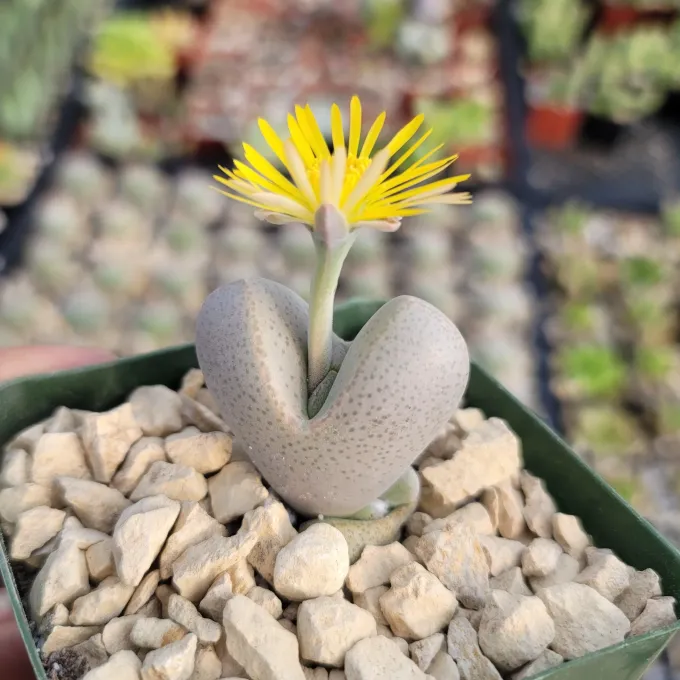
Description
Growing requirements
Dinteranthus puberulus is a fascinating succulent species belonging to the Aizoaceae family. It is widely recognized among botanical collectors as a member of the "living stones" group, characterized by its compact, stone-like appearance and soft, velvety epidermis.
Originating from the arid regions of South Africa, this plant has evolved to thrive in harsh environments. In cultivation, it requires an environment that mimics its natural habitat, emphasizing high light intensity and extreme drainage.
The substrate must be highly inorganic, ideally composed of crushed rock, pumice, and minimal loam. Proper aeration of the root system is essential to prevent physiological stress and maintain the plant's characteristic tight, globular shape.
Environmental conditions play a crucial role in the development of Dinteranthus puberulus. It requires warm, bright days during the growing season and a distinct dry, cool dormancy period during the winter months to stimulate healthy cycles.
Irrigation should be applied with extreme caution. Water must be withheld during the plant's natural dormant stage to prevent swelling of the leaf tissues, which could lead to splitting of the epidermis.
Main diseases and pests
Fungal rot caused by improper watering is the most significant threat to Dinteranthus puberulus. Excess moisture in the soil results in rapid decay of the taproot, often leading to irreversible loss of the specimen.
Mealybugs are the primary pest concern. These insects often hide in the narrow crevices between the leaf lobes, making them difficult to detect. Regular inspection and localized treatment are recommended for effective control.
Root aphids can also pose a risk if the soil mixture contains too much organic matter. Maintaining a clean, mineral-based growing medium is the best preventative strategy against these hidden soil pests.
Lack of proper air circulation contributes to high humidity levels, which encourage both fungal outbreaks and pest infestations. Ensuring good ventilation in the greenhouse or growing area is vital.
Finally, sudden exposure to intense sun after a prolonged period of shade can cause sunburn. Acclimatization is necessary when shifting the plant between different lighting conditions to prevent permanent scarring.