
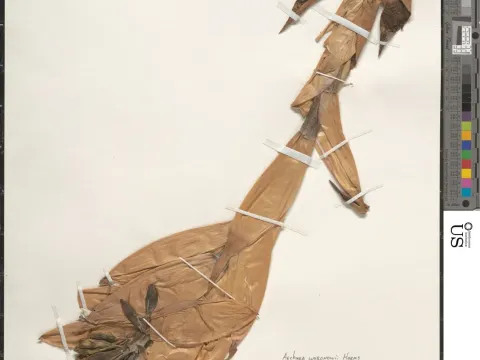
Aechmea woronowii
Aechmea woronowii
Aechmea woronowii is a fascinating species belonging to the Bromeliaceae family. Originating from the tropical regions of South America, specifically in Colombia and Ecuador, this plant is primarily an epiphyte that naturally dwells on tree trunks and rocky substrates in its native rainforest habitat.
What the section contains
Aechmea woronowii
The plant is distinguished by a stiff, funnel-shaped rosette of leaves that act as a biological reservoir, capturing rainwater and organic debris. The foliage often features unique textures or patterns, making it a highly desirable specimen for botanical collections and interior landscaping.
In terms of environmental conditions, this culture requires bright, indirect light. Prolonged exposure to intense, direct sunlight is detrimental, as it can cause chlorophyll damage and leaf scorch, diminishing the plant's visual appeal and overall physiological health.
Temperature requirements are consistent with tropical climates, ideally ranging between 20°C and 25°C. During the winter months, it is crucial to protect the plant from cold drafts, ensuring that temperatures do not fall below 15°C to prevent dormant stage shock or leaf decay.
Soil management for Aechmea woronowii involves using an extremely airy and well-draining medium. Standard potting soil is typically unsuitable; instead, a blend of orchid bark, peat moss, perlite, and charcoal is recommended. Watering should primarily focus on the central tank of the rosette.
The primary threat to the health of this species is root rot, which typically stems from overwatering or a lack of drainage in the substrate. If the water in the central rosette becomes stagnant and foul, it can lead to crown rot, effectively killing the plant from the inside out.
Scale insects are among the most persistent pests affecting this variety. They anchor themselves to the undersides of the rigid leaves and feed on the plant sap, leading to the yellowing of foliage and the potential development of sooty mold due to the honeydew they secrete.
Mealybugs are another common challenge, often hiding in the tight junctions between leaves where they are difficult to reach with standard contact treatments. Early detection is vital for controlling their spread and preventing stunted growth or deformation of the new foliage.
Spider mites represent a significant risk during low-humidity conditions. These microscopic pests thrive in arid air and weave fine webs, causing the plant to lose its vibrant color and eventually wither if not treated with appropriate moisture management or miticides.
Cultural hygiene is the most effective approach to preventing infestations. This includes keeping the foliage clean, ensuring proper ventilation, and regularly monitoring the base of the rosette. Utilizing organic horticultural oils can mitigate pest damage without stressing the plant's delicate tissues.