
Aechmea apocalyptica
Aechmea apocalyptica
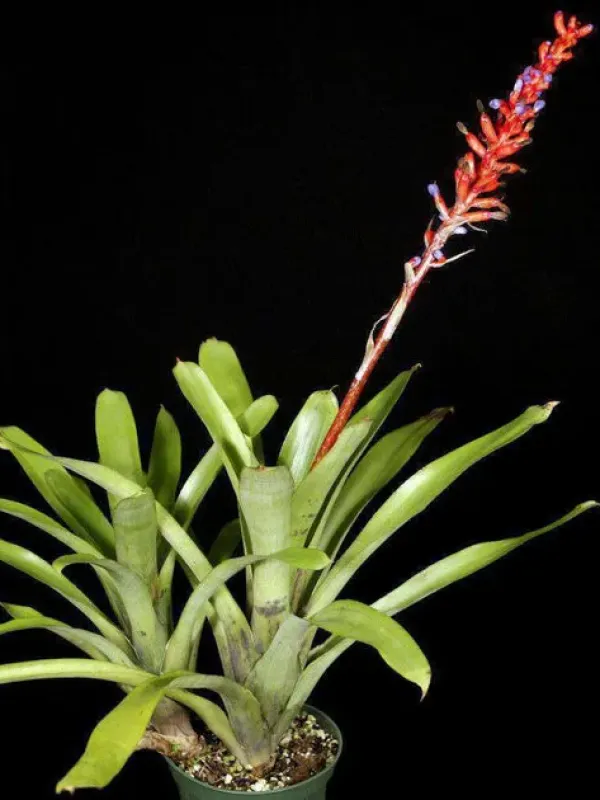
Description
Growing requirements
Aechmea apocalyptica is a perennial epiphytic plant belonging to the Bromeliaceae family. Native to the tropical regions of South America, this species typically grows on tree trunks or rocky substrates, adapting to high-humidity forest environments.
The culture requires bright, indirect light to thrive. Direct sunlight can cause severe leaf scorch, necessitating the use of shading systems or diffused light environments when cultivated in commercial greenhouses or controlled interior spaces.
Consistent temperatures are crucial for the development of Aechmea apocalyptica, with the ideal range lying between 20 and 26 degrees Celsius. Exposure to cold drafts or significant thermal fluctuations can severely stress the plant and lead to growth cessation.
The potting medium must be highly porous and slightly acidic to ensure healthy root development. A typical mixture consists of pine bark, sphagnum moss, and charcoal, which provides the necessary drainage and aeration required by epiphytic plant species.
Watering management focuses on the central leaf rosette, which acts as a natural water reservoir for the plant. Using soft, filtered water is essential to prevent mineral accumulation on the leaves, which could otherwise interfere with photosynthesis and general plant health.
Main diseases and pests
Common pests associated with this culture include mealybugs and scale insects. These pests feed on the cell sap, which can cause stunted growth, leaf discoloration, and increased susceptibility to secondary infections if left untreated.
Excessive moisture combined with poor ventilation often leads to root rot and various fungal infections. These pathogens thrive in waterlogged conditions, making proper drainage and air circulation essential components of the plant's health management plan.
Integrated pest management strategies involve regular monitoring of the leaf axils and the substrate. Early detection allows for the targeted application of insecticides or fungicides, ensuring the long-term viability of the crop in a controlled environment.
To maintain plant vitality, it is necessary to flush the central tank regularly to prevent stagnation and the growth of mold or anaerobic bacteria. This simple step significantly reduces the incidence of physiological disorders.
Nutritional support should be provided through specialized fertilizers for bromeliads, applied as a foliar spray or a dilute root drench during the active growing season to bolster the plant's natural defenses against biological stressors.