
Aechmea mariae-reginae
Aechmea mariae-reginae
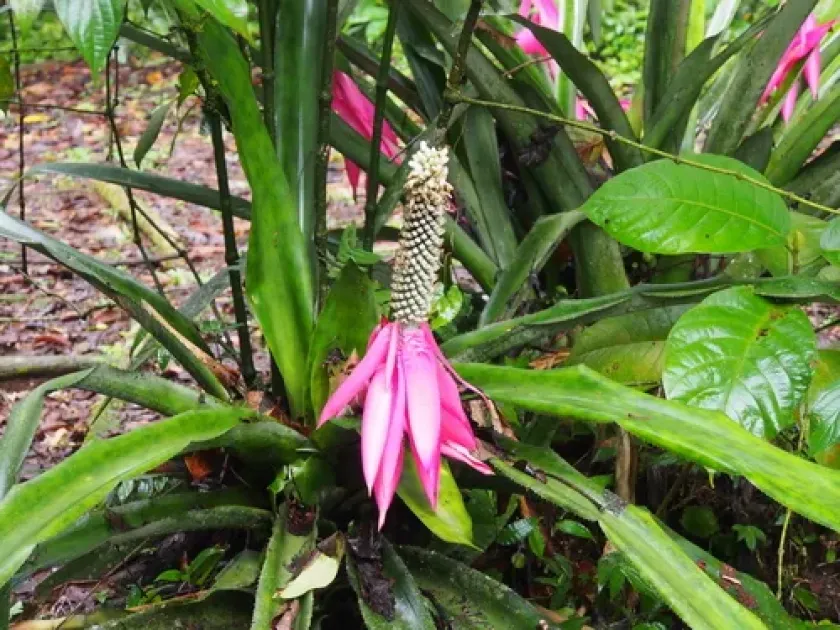
Description
Growing requirements
Aechmea mariae-reginae is a striking species of the Bromeliaceae family, known for its majestic inflorescences and structural leaf rosettes. Native to the tropical rainforests of Central America, specifically Costa Rica, it is an epiphyte that typically grows on tree branches.
For successful cultivation, the plant requires a warm environment with temperatures ideally ranging from 20°C to 25°C. As a tropical species, it thrives in high humidity conditions, often requiring regular misting or the use of a humidity tray to simulate its native jungle habitat.
The potting medium must be well-draining and aerated to prevent root asphyxiation. A high-quality substrate for this bromeliad consists of coarse orchid bark, perlite, sphagnum moss, and a small portion of peat, which mimics the natural accumulation of organic matter on host trees.
Light requirements for Aechmea mariae-reginae include bright, indirect sunlight. Direct sun exposure should be strictly avoided to prevent foliage scorching, especially during the peak hours of the day. In darker environments, supplemental LED grow lights can support development.
Watering is unique to this genus: water should be poured into the central cup formed by the leaves. It is essential to ensure that the water is fresh, soft, and at room temperature. The substrate itself should be kept slightly moist but never waterlogged to ensure overall plant health.
Main diseases and pests
Common pests include mealybugs, which tend to hide in the tight spaces between leaf bases. They can be managed by physical removal using a soft brush dipped in alcohol or by applying appropriate horticultural oils and systemic insecticides.
Scale insects present another challenge, appearing as small, waxy bumps on the surface of the leaves. These pests weaken the plant significantly, so early detection and immediate treatment with a systemic pesticide are crucial for maintaining the plant's health.
Fungal rots, specifically crown and root rot, are the most frequent diseases encountered in indoor cultivation. These typically occur when water is left in the cup for too long in cold conditions, leading to anaerobic environments where pathogens thrive.
Leaf spot diseases, often caused by poor ventilation and high humidity, result in unsightly lesions on the foliage. To mitigate this, ensure adequate air circulation around the plants and avoid overhead watering in the evenings when temperatures are prone to drop.
Nutritional deficiencies often manifest as chlorosis or stunted growth, signaling that the plant needs a balanced, diluted liquid fertilizer formulated for bromeliads. Applications should be performed during the active growing season to provide the necessary nutrients for foliage and bloom development.