
Aechmea candida
Aechmea candida
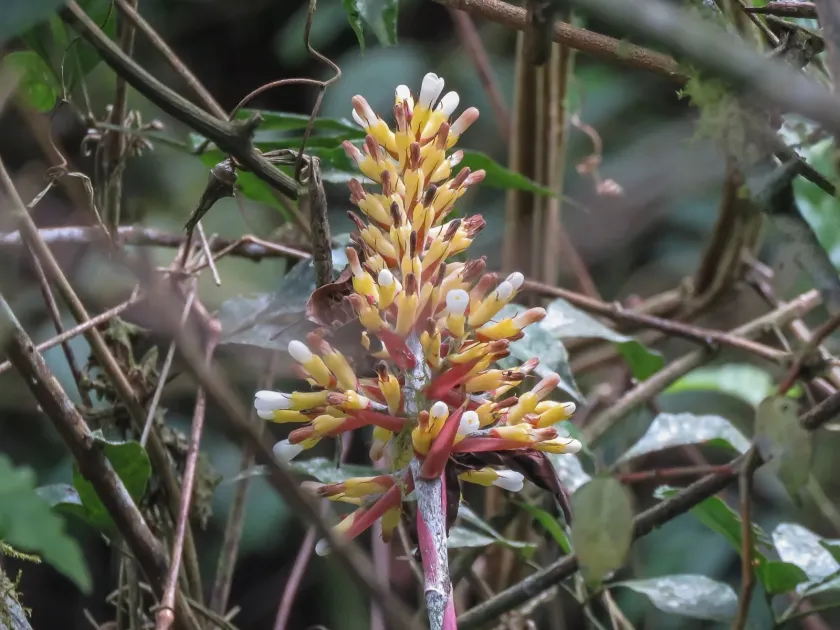
Description
Growing requirements
Aechmea candida is a member of the Bromeliaceae family. As a typical bromeliad, it is primarily an epiphytic plant, native to the tropical rainforest regions of South America where it thrives in humid environments.
Successful cultivation requires stable temperatures, ideally between 20°C and 25°C. Avoiding sudden temperature drops and cold drafts is critical for the physiological development of the plant.
The planting medium must be highly porous and well-draining. A professional substrate mix typically includes pine bark, sphagnum moss, perlite, and a small amount of peat to ensure optimal oxygen exchange.
This species requires bright, indirect sunlight to perform photosynthesis efficiently. Excessive exposure to direct sun will cause thermal damage to the leaf tissue, significantly reducing the plant's aesthetic and commercial value.
Humidity management is essential for Aechmea candida. Keeping the ambient humidity at 60–70% through automated misting systems or controlled environmental conditions supports the plant's natural epiphytic growth habits.
Main diseases and pests
Common pests affecting this culture include scale insects and mealybugs. These pests hide in the leaf axils and feed on plant sap, causing stunted growth and the potential for secondary fungal infections.
Root and crown rot represent the most severe pathological threats, primarily caused by waterlogging the soil or allowing water to stagnate in the central leaf rosette during cooler nights.
Chemical control involving systemic insecticides is the standard practice for managing insect populations. Applications must be precise to ensure deep penetration into the dense base of the leaves where pests congregate.
Preventive care focuses on maintaining good airflow within the greenhouse or growing area, which is the most effective way to inhibit the development of various fungal pathogens.
Monitoring for any changes in leaf coloration is crucial. If disease is suspected, isolating the plant and applying appropriate fungicides can prevent the rapid spread of infections within a crop population.