
Aechmea tayoensis
Aechmea tayoensis
Description
Growing requirements
Aechmea tayoensis is a distinctive member of the Bromeliaceae family, native to the tropical forests of Ecuador. It is an epiphytic plant that typically thrives in high-canopy environments or on rocky cliff faces where its roots can anchor securely while absorbing nutrients from organic debris.
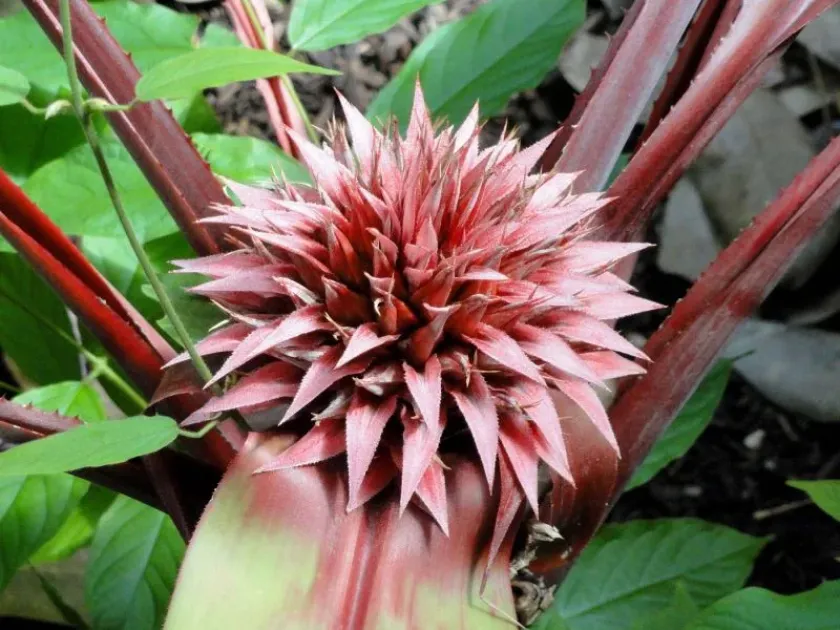
Botanically, this species is defined by its robust, rosette-forming structure. The leaves are typically thick and leathery, providing a structural vessel that serves as a reservoir for water and essential minerals, which is a classic adaptation for epiphytic survival in tropical zones.
Cultivating Aechmea tayoensis requires a climate that mimics its natural habitat: bright, indirect sunlight is essential for maintaining leaf health and coloration. Avoid direct, harsh sunlight, as it can cause chlorophyll degradation and severe leaf scorching in this species.
The choice of growing medium is vital for this bromeliad; it must be exceptionally airy and fast-draining. A mix consisting of orchid bark, perlite, and a small amount of charcoal is highly recommended to prevent the root system from remaining overly damp for extended periods.
Watering management is focused on the central tank of the rosette. Keep this tank filled with soft, room-temperature water, but flush the reservoir periodically to prevent mineral buildup and stagnation that could promote bacterial growth within the leaf axils.
Main diseases and pests
Pest issues for Aechmea tayoensis often involve mealybugs, which hide deep within the base of the leaves. These sap-sucking insects can severely stunt the plant's growth, necessitating immediate manual removal or treatment with appropriate horticultural oils.
Fungal pathogens often appear when the plant is kept in environments with poor air circulation. Symptoms include dark, water-soaked spots on the foliage. To mitigate these risks, ensure consistent airflow around the plant and avoid misting the plant during the cooler hours of the evening.