
Aechmea vallerandii
Aechmea vallerandii
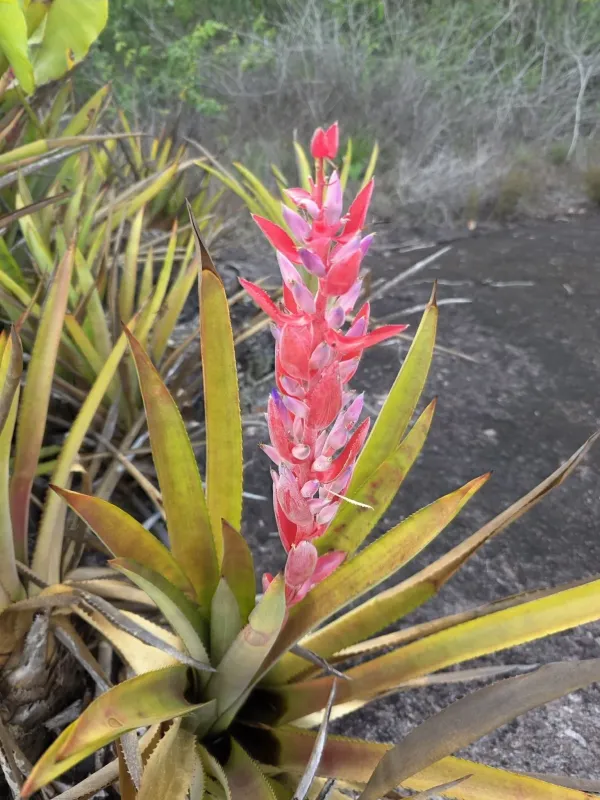
Description
Growing requirements
Aechmea vallerandii is a striking member of the Bromeliaceae family, originating from the tropical rainforests of the Americas. As an epiphyte, it has evolved to thrive in environments with high humidity and dappled sunlight filtering through the dense canopy.
To successfully cultivate this species, growers must maintain ambient temperatures between 20°C and 25°C. The plant is sensitive to cold drafts and sudden drops in temperature, which can stress the plant and inhibit its natural growth cycles.
A well-draining, loose growing medium is essential. A mixture composed of pine bark, perlite, and sphagnum moss provides the necessary aeration for the root system, preventing the suffocation that occurs in denser, soil-based potting mixes.
The light requirement for Aechmea vallerandii is bright, indirect light. Prolonged exposure to direct, harsh sun will scorch the foliage, while insufficient light leads to leggy growth and prevents the plant from producing its characteristic colorful inflorescence.
Watering is unique for this bromeliad: the central tank or rosette should be kept filled with clean, soft water. This water must be replaced regularly to prevent stagnation and the accumulation of salts or debris that could lead to rot.
Main diseases and pests
Common pests affecting Aechmea vallerandii include mealybugs and scale insects. These pests often congregate in the leaf axils, sucking sap and weakening the plant, which can lead to stunted growth and the appearance of sooty mold.
Fungal rots are the most significant threat to the health of Aechmea vallerandii. These pathogens are almost exclusively caused by overwatering the soil or allowing water to become stagnant within the plant’s rosette for too long.
Integrated pest management, including regular inspection and the use of horticultural oils or systemic insecticides, is recommended. Keeping the leaves clean by wiping them with a damp cloth helps to deter many small pests.
To prevent disease, ensure that the water in the central cup is fresh. If the plant shows signs of rotting at the base, it is critical to dry out the substrate and improve airflow immediately to halt the spread of the infection.
Healthy cultivation involves avoiding high-mineral water and providing balanced, weak liquid fertilizer during the growing season. Proper plant vigor is the best natural defense against the various threats that can compromise this tropical species.