
Aechmea gamosepala
Aechmea gamosepala
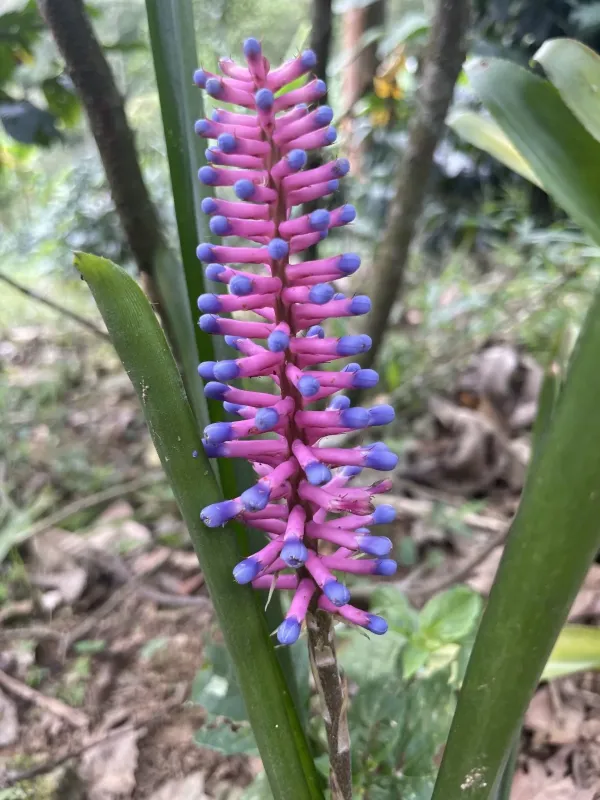
Description
Sowing dates
Aechmea gamosepala is primarily propagated vegetatively in horticultural practice. Offsets or "pups" that develop around the base of the parent plant are the most reliable way to expand the collection.
These pups should be allowed to grow to at least one-third the size of the parent before being carefully removed with a sharp, sterile blade. This ensures the young plant has sufficient energy stores to establish itself.
While seed propagation is possible, it is reserved for breeding programs and research purposes. Seeds are sown in a light, sterile mix and require high humidity and consistent temperatures to germinate.
After removal, the offsets are potted in a fast-draining substrate. It is crucial to anchor the plant securely, as bromeliads can be top-heavy during the initial rooting phase.
During the establishment period, the plant should be kept in bright, indirect light. Excessive soil moisture should be avoided to prevent the base of the offset from rotting before roots form.
Growing requirements
As a member of the Bromeliaceae family, this species originates from the rainforests of South America. It thrives in environments that provide consistent, bright, filtered light throughout the growing season.
The substrate must be highly aerated and mimic the epiphytic conditions of its natural habitat. A mixture of pine bark, perlite, and peat moss is ideal for maintaining the structure and acidity needed.
Irrigation must be precise; water is poured into the central tank formed by the rosette of leaves. This tank should be periodically flushed with fresh water to prevent the accumulation of minerals and debris.
Temperature management is critical for the physiological processes of the plant. A range of 18°C to 24°C is preferred, with a marked intolerance for temperatures dropping below 12°C.
High relative humidity is necessary to keep the foliage vibrant. If the ambient air is too dry, misting or the use of pebble trays with water can help stabilize the microclimate around the plant.
Main diseases and pests
Mealybugs are a common pest that congregates in the leaf axils, sucking nutrients and weakening the plant. These pests often leave behind honeydew, which leads to the growth of sooty mold.
Scale insects present a significant challenge as they adhere tightly to the leaf surface, making manual removal difficult. Systemic insecticides are often required to control heavy infestations effectively.
Root and crown rot are frequent issues caused by poor drainage or overwatering the soil. When the substrate is constantly waterlogged, oxygen cannot reach the roots, leading to cellular death.
Fungal leaf spot diseases can emerge if the foliage remains wet in low-light conditions. Improved ventilation and careful watering practices are the primary methods for prevention.
- Manual removal of visible insects
- Monitoring humidity levels to prevent fungal growth
- Use of horticultural soap for initial pest outbreaks
- Ensuring optimal air circulation around the rosette