

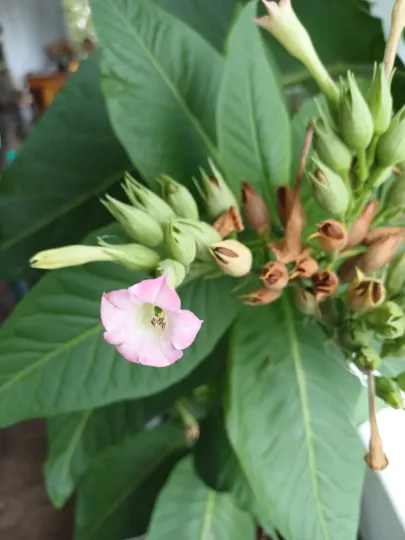
Description
Sowing dates
Tobacco is primarily sown using the transplant method, as the seeds are extremely small. In southern regions, direct seeding is possible, but in temperate climates, sowing begins in late winter or early spring under protected ground conditions.
Seedlings are grown for 45–60 days until they reach an optimal size for transplanting. Temperature control during germination should be maintained between 20–25 degrees Celsius to ensure uniform seedling emergence.
Soil preparation starts with thorough weeding and the application of organic fertilizers. Tobacco is sensitive to soil structure, so light, well-aerated sandy loam or loamy soils with good drainage are preferred.
Planting patterns depend on the variety and cultivation goals, but a spacing of 30–50 cm between plants in a row is standard. Correct planting density ensures adequate nutrition and high-quality leaf ventilation for the crop.
Hardening the seedlings before transplanting into the field is a critical step in agronomy. 10–14 days before transplanting, plants are gradually exposed to open air and direct sunlight to significantly improve survival rates.
Growing requirements
Tobacco is a heat-loving crop of the Solanaceae family, requiring consistently high temperatures throughout the growing season. The optimal range for active growth is between 22 and 30 degrees Celsius.
The crop is highly light-demanding, so cultivation areas must be open and sunny. Lack of light leads to stem stretching and a reduction in the accumulation of nicotine and aromatic compounds within the leaves.
Moisture levels should be moderate. Excessive soil waterlogging is detrimental to the root system, while drought during the active growth phase slows leaf development and degrades the quality of the harvest.
Fertile, humus-rich soils with a slightly acidic to neutral pH are ideal for tobacco. High nitrogen content promotes the intensive production of green mass, which is essential for industrial processing.
Protection against strong winds is an important factor, as winds can mechanically damage large tobacco leaves. The use of shelterbelts or natural barriers helps minimize losses in the raw material's marketability.
Yield
Tobacco yield depends heavily on varietal characteristics and the level of agronomy. On average, industrial plantations can produce between 1.5 and 3 tons of dried leaf per hectare when all technical standards are met.
Crop quality is determined not only by total mass but also by the chemical composition of the leaves. Intensive potassium and phosphorus fertilization during the flowering phase increases both quantitative and qualitative yield parameters.
The operation of topping, or removing flower buds, significantly impacts yield. This practice redistributes nutrients from reproductive organs back to the leaves, increasing their size and density.
Yield is also limited by the correctness of the leaf harvesting process. Harvesting is performed in multiple stages as tiers ripen, preventing losses from shedding or over-ripening of the lower leaves.
Climatic anomalies, such as hail or prolonged rain during harvest, can reduce marketable yields by 20–30%. Ensuring timely drying is also a decisive factor for the final output of the finished product.
Main diseases and pests
Tobacco is susceptible to a wide range of infectious diseases. Significant fungal threats include anthracnose, verticillium wilt, rhizoctonia, sclerotinia, as well as gray and ash rot, which thrive in high-humidity conditions.
Viral diseases pose a serious threat to plantations. The most significant are tobacco mosaic virus and tomato mosaic virus, which are transmitted via tools, pests, or contaminated soil and are virtually untreatable.
Pests can cause substantial damage to the leaf canopy. Common threats include the large white butterfly, meadow moth, fireworms, European corn borer, and gall midges, which damage stems and leaves.
Some pests specialize in roots or seeds, such as weevils or various types of seed wasps. Protection strategies include both chemical control methods and integrated pest management (IPM).
- Anthracnose and verticillium wilt require the removal of infected plants.
- Prevention of viral infections includes strict tool disinfection.
- Crop rotation reduces the risk of soil-borne pathogen accumulation.
- Monitoring insect populations allows for targeted spot treatments.
- Using disease-resistant varieties is the best method of defense.
Harvesting
Harvesting tobacco is a complex process requiring high precision. Harvesting is selective, starting with the lower, fully ripe leaves and moving gradually to the upper tiers as they reach technical maturity.
Readiness for harvest is indicated by a color change from dark green to light green or yellowish, the appearance of a resinous coating, and leaf edge brittleness. Unripe leaves lose aroma and quality during drying.
Leaves are cut by hand or mechanically in the morning after the dew has evaporated. Collected raw material must be transported to the drying facility immediately to avoid self-heating and spoilage of the green mass.
After collection, the wilting (curing) phase occurs, during which biochemical processes break down chlorophyll. This takes place in specialized rooms with controlled temperature and humidity.
The final stage is drying, which can be air, fire, or sun-cured, depending on the tobacco type. After reaching the required moisture level, the leaf is fermented to develop its final flavor and aroma profile.
In brief
36
Crop diseases
35
Crop pests
Content graph
Crop diseases · 36
Alfalfa mosaicAngular leaf spotAnthracnoseAscochyta blightAster yellowsBeet curly topBlack root rotBlue moldCercospora leaf spotCharcoal rotCommon scabCucumber mosaicFrenchingFusarium wiltGray moldLate blightPeanut stunt virusPhoma leaf spotPhyllosticta leaf spotPhysoderma disease of cloverPowdery mildewPythium root rotReniform nematodeRhizoctonia root rotRoot-knot nematodeSclerotinia rotSpiral nematodeStolburStrigaStunt nematodeTobacco barn rotTobacco mosaic virusTomato mosaic virusVein banding mosaicVerticillium wiltWound tumor
Content graph
Crop pests · 35
Alfalfa seed chalcidAphidApple blossom weevilBean aphidBeet midgeBeet webwormBeet weevilCabbage mothCereal leaf beetleChloropid fliesCotton bollwormCrucifer flea beetleCrucifer shield bugsDiamondback mothDock weevilEuropean corn borerGall midgesGrey beet weevilGround beetle (Zabrus tenebrioides)Hemp flea beetleLarge whiteLeafhoppersLeaf miner mothLeaf minersPea aphidPea mothPea weevilPollen beetlePotato tuber mothPyralid mothsSoft scalesSoybean pod borerSunn pestWeevilYellow cereal fly
Content graph
Connections · Tobacco
Most often together:
Breeders
1 contact
Marketplace