
Sander tobacco
Nicotiana x sanderae W. Watson
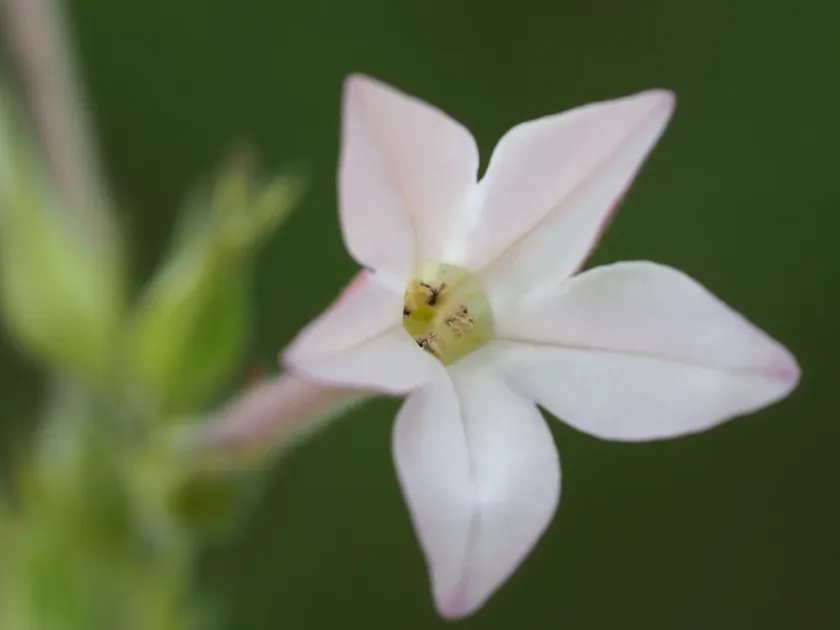
Description
Sowing dates
Sander tobacco is primarily grown as an annual ornamental crop. The seeds are very small, so sowing is performed in late winter or early spring in greenhouse trays, keeping them on the surface of the soil.
Light is essential for the germination of these seeds, so they should not be covered with a thick layer of soil. Using a fine mist spray helps maintain humidity without washing away the small seeds.
Seedlings typically emerge within two weeks at a constant temperature of about 20°C. Once the first pair of true leaves appears, the seedlings should be pricked out into individual pots to encourage robust root development.
Gradual hardening of the seedlings is necessary before transplanting them outdoors. This process helps the plants adjust to outdoor temperatures and light conditions over a period of about ten days.
Transplanting into the permanent garden site should occur only after the danger of frost has passed. Spacing is important to allow each plant to reach its full size without overcrowding, which can cause humidity issues.
Growing requirements
Belonging to the Solanaceae family, this hybrid is a cross between Nicotiana alata and Nicotiana forgetiana. It is highly valued in horticulture for its vibrant colors and long-lasting floral displays.
These plants thrive in full sun or light shade, provided they are in a protected location. Strong winds can damage the stems, so choosing a sheltered spot is advisable for optimal growth and bloom quality.
Soil requirements include excellent drainage and high organic content. While the plant is somewhat adaptable, it performs best in rich, moist, yet well-drained loams with a neutral pH level.
Watering should be consistent throughout the growing season. The goal is to keep the soil evenly moist but never waterlogged, as stagnant water can quickly lead to root decay in the Solanaceae family.
Fertilizing with a balanced liquid feed every two to three weeks during the peak flowering season will help maintain continuous growth and color intensity until the first autumn frosts arrive.
Main diseases and pests
The primary threats include fungal diseases such as root rot and damping-off, especially in the seedling stage. These problems are almost always associated with poor drainage or overwatering in cool conditions.
Powdery mildew is a common fungal issue during late summer when humidity levels fluctuate. Ensuring adequate spacing between plants allows for better airflow, which acts as a natural preventive measure.
Aphids are the most frequent insect pests, clustering on soft new shoots and flower buds. Infestations can be managed by using specialized aphid sprays or biological controls if the population is identified early.
Whiteflies can also become a nuisance, particularly in sheltered garden areas. Regular monitoring of the foliage and physical removal of infected leaves can prevent the pest population from exploding.
Virus infections, though less common, can lead to mottled leaves and stunted growth. Because these are often spread by insects, keeping the area free of weeds is crucial for maintaining the health of the tobacco plants.