
Tobacco and rustica hybrids
hybrids between Nicotiana rustica L. and Nicotiana tabacum L.
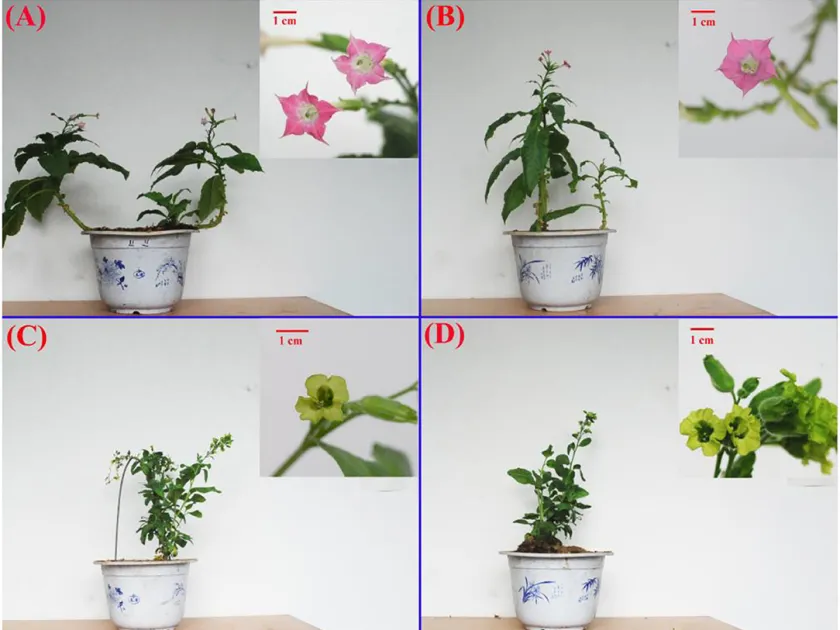
Description
Sowing dates
Interspecific hybrids of Nicotiana rustica and Nicotiana tabacum belong to the Solanaceae family. Sowing seeds for seedlings is typically carried out in late March or early April, depending on the specific regional climate conditions.
The seeds of these hybrids are extremely small, requiring surface sowing with a very light covering of fine substrate. Maintaining a stable temperature between 20–25 degrees Celsius is crucial for consistent germination.
Transplanting seedlings into the open field occurs once the danger of late spring frosts has completely passed. The soil at a depth of 10 centimeters should ideally reach 12–15 degrees Celsius before planting begins.
The planting pattern depends on the hybrid's growth habit, generally following a spacing of 70 by 30 centimeters. Avoiding dense planting is important to ensure proper air circulation and to prevent the seedlings from stretching.
Agronomists carefully plan sowing dates based on the plant's vegetative period, which typically ranges from 90 to 130 days to reach technical maturity for harvesting.
Growing requirements
Successful cultivation of tobacco and rustica hybrids requires fertile, well-structured soil with a neutral to slightly acidic pH. Waterlogged fields or areas with high water tables are not suitable for this crop.
These plants are highly sensitive to light levels; insufficient solar exposure leads to reduced alkaloid accumulation and poor leaf development. The field should be well-exposed to the sun and protected from strong prevailing winds.
Providing adequate soil nutrients, particularly nitrogen, phosphorus, and potassium, is essential. Nitrogen promotes leafy growth, while potassium enhances plant resilience and improves the quality of the harvested leaves.
Regular irrigation is necessary, particularly during the peak growth phases. However, water application should be reduced as the plants reach maturity to improve the chemical profile and curing quality of the leaf.
The optimal temperature for growth ranges between 22–28 degrees Celsius. Significant temperature fluctuations, especially at night, can delay development and negatively impact the final crop yield.
Yield
The yield of these interspecific hybrids is largely dependent on the quality of pruning and topping. Removing lateral shoots (suckering) allows the plant to redirect nutrients into the main leaf biomass.
Under intensive cultivation technologies, the output of raw material can reach 20–30 centners per hectare. The heterosis effect often observed in the first generation contributes to increased vigor compared to parental lines.
The value of the harvest is determined by both mass and chemical composition, such as nicotine levels and aromatic oil content. Hybrids often display intermediate but beneficial traits inherited from both parent species.
Topping is a vital agricultural practice used to stop the plant's vertical growth, which forces the plant to thicken the leaves and improve the overall density of the harvested material.
Statistical monitoring confirms that these hybrids often exhibit superior adaptability to environmental stress, ensuring more consistent yields across varying seasonal conditions compared to traditional tobacco varieties.
Main diseases and pests
Tobacco mosaic virus remains the most significant threat to the crop, spreading rapidly through mechanical contact. Prevention relies on strict sanitation and the management of insect vectors that spread the pathogen.
Damping-off and various root rots are common in seedlings raised in overly humid conditions with poor ventilation. Using sterilized starting media is a mandatory step for controlling these soil-borne diseases.
Pests such as aphids and tobacco thrips cause substantial damage by feeding on plant sap. These pests not only physically damage the leaves but also serve as vectors for various viral diseases.
Root-knot nematodes present a serious threat in fields where tobacco crops are grown repeatedly. Following a strict crop rotation schedule is necessary to break the pest cycle in the soil.
- Maintaining spatial isolation from other Solanaceae crops;
- Rigorous weed control to eliminate virus reservoirs;
- Applying appropriate insecticides during peak pest activity;
- Immediate removal and destruction of infected plant material.
Harvesting
Harvesting is performed selectively as leaves mature from the bottom of the stalk upward. Signs of maturity include a color shift to yellow-green and a distinct brittle texture when the leaf is bent.
Hand-harvesting remains the most effective method, as it allows for the selection of perfectly ripe leaves while minimizing mechanical damage to the crop.
The primary processing stage involves wilting the leaves in shaded areas, which ensures uniform drying and the initiation of natural fermentation processes. After wilting, the leaves are moved to curing barns.
Direct exposure to sunlight during the drying process must be avoided to prevent leaf burning and the degradation of essential organic compounds and aromatic qualities.
Once dried, the leaves are graded by size and quality. Proper storage in a dry, ventilated facility is required to prevent mold growth and preserve the leaf quality until the final fermentation process.