
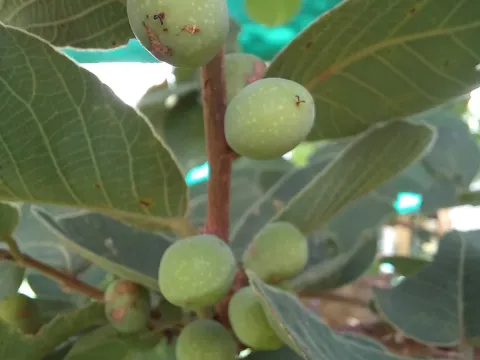
Bridelia
Bridelia
The cultivation of Bridelia typically begins with the careful selection of seeds or healthy stem cuttings, which are the primary methods for starting a new plantation.
What the section contains
 Bridelia atroviridis
Bridelia atroviridis
Bridelia atroviridis
 Bridelia balansae
Bridelia balansae
Bridelia balansae
 Bridelia brideliifolia
Bridelia brideliifolia
Bridelia brideliifolia
 Bridelia ferruginea
Bridelia ferruginea
Bridelia ferruginea
 Bridelia grandis
Bridelia grandis
Bridelia grandis
 Bridelia insulana
Bridelia insulana
Bridelia insulana
 Bridelia micrantha
Bridelia micrantha
Bridelia micrantha
 Bridelia mollis
Bridelia mollis
Bridelia mollis
 Bridelia montana
Bridelia montana
Bridelia montana
 Bridelia ovata
Bridelia ovata
Bridelia ovata
 Bridelia pustulata
Bridelia pustulata
Bridelia pustulata
 Bridelia retusa
Bridelia retusa
Bridelia retusa
 Bridelia scleroneura
Bridelia scleroneura
Bridelia scleroneura
 Bridelia stipularis
Bridelia stipularis
Bridelia stipularis
 Bridelia tomentosa
Bridelia tomentosa
Bridelia tomentosa
Bridelia
Seeds require proper cleaning and drying before sowing in nursery beds to ensure a high germination rate and strong early-stage development of the seedlings.
Nursery practices involve using a nutrient-rich potting medium, providing shade, and maintaining consistent moisture until the plants are ready for transplanting.
Transplanting into the field is best performed at the onset of the rainy season to minimize water stress and help the root systems establish quickly in the soil.
Proper spacing between plants is essential to ensure adequate sunlight exposure and to facilitate easier management and harvesting as the trees reach maturity.
Bridelia belongs to the Phyllanthaceae family and thrives in tropical and subtropical climates where temperatures remain consistently warm throughout the year.
The crop requires deep, well-drained soils that are rich in organic matter to support its robust growth and long-term vitality in an agricultural setting.
While the plant is relatively resilient, consistent rainfall or supplementary irrigation is necessary during the early stages of growth to prevent stunted development.
Exposure to direct sunlight is generally preferred for mature trees, although some protection during the seedling phase helps prevent leaf scorching and desiccation.
Effective soil management, including the application of organic amendments and the maintenance of neutral pH levels, is crucial for maximizing the yield potential.
The yield of Bridelia varies depending on the specific species and the management practices employed, with mature trees providing consistent harvests over many years.
Fruits are often the primary agricultural product, known for their nutritional value and traditional medicinal applications, making them a high-value crop for local markets.
Timber from Bridelia trees is highly regarded for its durability, resistance to rot, and strength, contributing significantly to the economic value of the plantation.
Bark and roots are also harvested sustainably, as they are rich in tannins and bioactive compounds, supporting their use in the pharmaceutical and chemical sectors.
Optimized harvesting cycles, combined with selective pruning, help maintain tree health and ensure stable production levels over the lifespan of the orchard.
Common threats to Bridelia plantations include various fungal pathogens that can cause leaf spots and branch dieback, especially in regions with high humidity levels.
Insect pests, such as defoliators and wood-boring beetles, can cause significant damage to the plant's structural integrity if left unmanaged by the grower.
Integrated pest management strategies are recommended, focusing on early detection and the use of environmentally friendly control measures to protect the crop.
Regular sanitation of the orchard, including the removal of infected plant debris, is a vital practice for reducing the inoculum load and preventing disease spread.
Monitoring soil moisture and drainage is also critical, as waterlogged conditions can lead to root rot and render the tree more susceptible to secondary infections.
Harvesting fruits is a labor-intensive process that requires careful handling to ensure the quality of the produce and minimize waste during collection.
Post-harvest processing involves cleaning, sorting, and drying the fruits or bark to prepare them for storage or sale to processing facilities.
Timber harvesting requires strategic planning, often involving the thinning of stands to promote the growth of the remaining trees and ensure sustainable yield.
When harvesting medicinal materials, it is important to follow guidelines that allow for the tree to heal, ensuring the long-term viability of the source.
Proper storage conditions, including cool and dry environments, are essential to preserve the biological activity and market value of the harvested raw materials.