
Bridelia grandis
Bridelia grandis
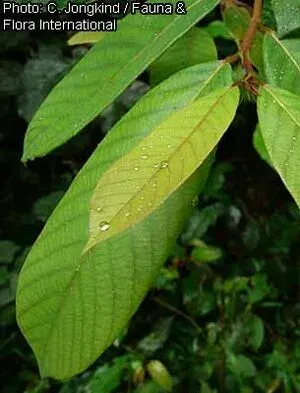
Description
Growing requirements
Bridelia grandis is a significant tree species belonging to the Phyllanthaceae family. Known for its robust growth habit, this tree typically thrives in the tropical regions of Africa, contributing to forest structural diversity and ecological stability.
The climatic preferences of this species center on high temperatures and consistently high rainfall throughout the year. It displays a remarkable ability to integrate into various forest successional stages, often establishing itself in cleared or disturbed areas.
Soil requirements focus on deep, fertile, and well-drained substrates. While it can tolerate a variety of soil types, the absence of waterlogging is critical to maintaining a healthy root system and ensuring vigorous growth of the main trunk.
Agricultural management for this species includes monitoring sapling development in the early stages. Proper spacing is essential to minimize competition for nutrients and light, which allows the trees to develop straight, commercially valuable trunks.
The economic value of Bridelia grandis lies primarily in its timber, which is appreciated for its durability and strength. Furthermore, local communities utilize the bark and leaves in traditional medicine, highlighting the plant's diverse phytochemical profile.
Main diseases and pests
Common threats to Bridelia grandis include stem-boring insects, which can compromise the structural integrity of the wood if infestations become severe. Regular inspection of the bark is a standard practice for managing these pests in forestry.
Fungal pathogens associated with high moisture levels pose a risk to the roots and stem base. Maintaining good sanitation in the plantation environment and ensuring adequate drainage significantly reduces the risk of infection.
Competition from invasive plant species can hinder the establishment of seedlings. Early-stage weeding and management are necessary to prevent these plants from overtopping and smothering the younger specimens of Bridelia.
Environmental stressors, such as prolonged dry seasons or extreme weather events, can impact the growth rates and overall health of established trees. Adaptive management techniques, such as irrigation during initial planting, are beneficial.
Browsing by wildlife and local disturbances can cause physical damage to young saplings, necessitating protective measures such as enclosures or the use of repellents to ensure the survival of newly planted stands.