
Bridelia retusa
Bridelia retusa
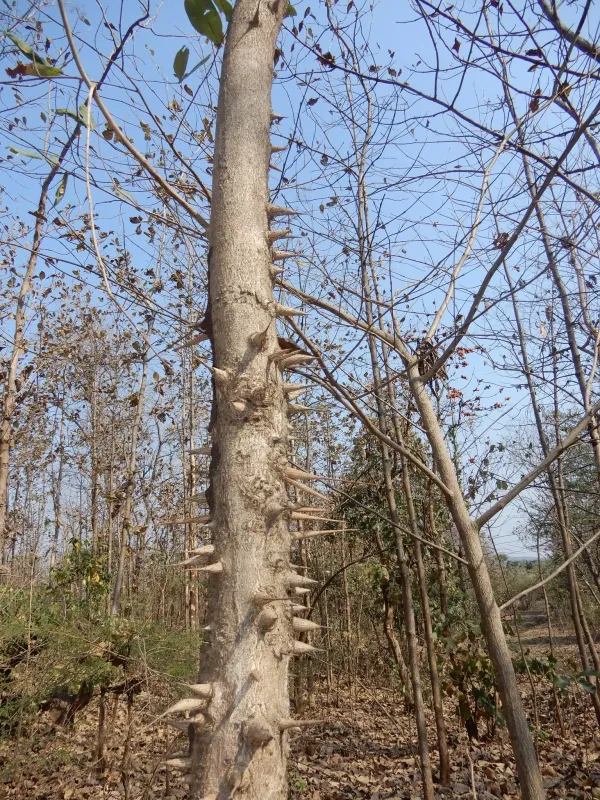
Description
Growing requirements
Bridelia retusa is a deciduous tree belonging to the Phyllanthaceae family. Known for its sturdy nature, it grows primarily in tropical and subtropical climates, thriving in diverse forest ecosystems.
The tree originates from South and Southeast Asia. It prefers warm, humid environments where it can receive abundant sunlight. It is highly adaptable to various soil types but performs best in nutrient-rich, well-draining loams.
Water management is critical during the initial growth phase. While the tree shows significant drought tolerance once mature, supplemental irrigation during the seedling stage is recommended to ensure strong root development.
The species requires a spacing of at least 6 meters in plantations to prevent overcrowding and ensure adequate airflow throughout the canopy. This also minimizes competition for soil nutrients among mature specimens.
Regular maintenance involves pruning to remove dead or diseased branches. This practice encourages a healthier crown structure and promotes better yield of the small, nutrient-dense fruits produced by the tree.
Yield
The timber of Bridelia retusa is prized for its high durability and strength. It is commonly used for agricultural implements, construction, and high-quality cabinet making, representing a significant commercial asset.
Fruits are small, globose berries that are consumed locally. Their sweet and astringent flavor profile makes them a suitable ingredient for regional beverages and processed foods, contributing to rural food security.
The bark and leaves are rich in tannins, making them useful for traditional medicine and industrial tanning processes. This versatility enhances the economic viability of the tree in agroforestry systems.
Productivity increases significantly after the seventh year. Properly managed plantations can yield timber consistently, provided that sustainable harvesting cycles are maintained to prevent depletion.
The ecological value of the tree is equally important, as it supports various pollinator species, including honey bees, which enhances the overall biological productivity of the surrounding agricultural landscape.
Main diseases and pests
Root rot remains the primary threat to plantation health, usually caused by improper soil drainage. Ensuring that planting sites are not prone to waterlogging is the most effective preventative measure.
Leaf-eating insects can cause significant damage to young growth. Integrated pest management practices, including the use of biological control agents, are recommended to maintain tree vigor without excessive chemical use.
Bark damage from rodents often occurs in younger plantations. Physical barriers around the trunk base are effective in preventing girdling and protecting the tree from further physiological stress.
Fungal infections can manifest in improperly healed pruning wounds. It is essential to apply a protective sealant to large cuts and ensure that all pruning equipment is sterilized between uses.
Environmental stressors, such as extreme temperature fluctuations, can impact tree health. Maintaining a mulch layer around the base helps regulate soil temperature and retain essential moisture for the tree.