
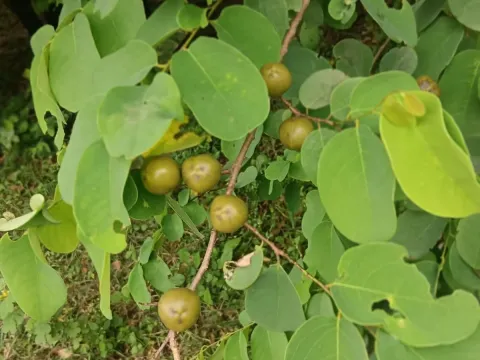
Cleistanthus
Cleistanthus
Cleistanthus is a diverse genus of trees and shrubs belonging to the Phyllanthaceae family. These plants are indigenous to tropical regions, where they thrive in warm, humid conditions typical of the equatorial belt and surrounding tropical zones.
What the section contains
 Cleistanthus schlechteri
Cleistanthus schlechteri
Cleistanthus schlechteri
 Cleistanthus sumatranus
Cleistanthus sumatranus
Cleistanthus sumatranus
Cleistanthus
Cultivation of Cleistanthus requires deep, well-drained soils that are rich in organic matter. These plants are particularly well-adapted to environments where the soil structure promotes healthy root expansion while maintaining appropriate moisture levels.
The climate requirements include consistently warm temperatures, as the genus is highly susceptible to frost and cold damage. High humidity is a critical factor for success, supporting both vegetative growth and the physiological processes of the plant.
Agronomic management involves providing adequate shelter from high-velocity winds that can damage the plant's structural integrity. Regular monitoring of the soil nutrient status is essential to ensure robust health and long-term vitality of the crops.
Economically, Cleistanthus species are significant for their potential medicinal properties. Research focuses on their specialized metabolites, which exhibit biological activities relevant to pharmaceutical innovation and drug development.
Fungal pathogens represent the most significant threat to Cleistanthus health, particularly in high-humidity environments. Foliar diseases can lead to defoliation, significantly reducing the plant's ability to undergo photosynthesis.
Pest pressures primarily come from sucking insects, including aphids and scales. These pests deplete plant resources and can cause stunted growth or deformities in young branches and developing foliage.
Effective management requires a combination of cultural practices and targeted chemical interventions. Maintaining proper spacing between trees helps reduce the transmission of spores and encourages better airflow through the canopy.
In addition to surface-level threats, root-zone health must be protected from soil-borne pathogens. Proper irrigation management prevents waterlogging, which is a major precursor to root rot in these species.
Sustainable pest control often emphasizes biological control methods, utilizing natural predators to maintain pest populations below economic injury levels, thus preserving the health of the ecosystem.